
How to Detect a Hidden Water Leak in Your Home
A homeowner notices an unusually high water bill, a faint musty odor, or a small, unexplained stain on the ceiling, but isn’t sure if there’s a serious issue. Could it be a hidden water leak?
Water leaks often go unnoticed for weeks or even months because they occur behind walls, under floors, or in attics. In Tucson, risks like slab leaks, aging plumbing systems, and unexpected monsoon moisture make homes particularly vulnerable. Early detection is absolutely critical—catching a leak early can prevent thousands of dollars in structural damage and hazardous mold growth.
Common Signs of a Hidden Water Leak
Hidden leaks might be out of sight, but they usually leave subtle clues. Watch for these common signs:
- Unexplained increase in water bills: A sudden spike when your usage hasn't changed is often the first red flag.
- Musty odors: A persistent, earthy smell indicates hidden moisture and potential mold.
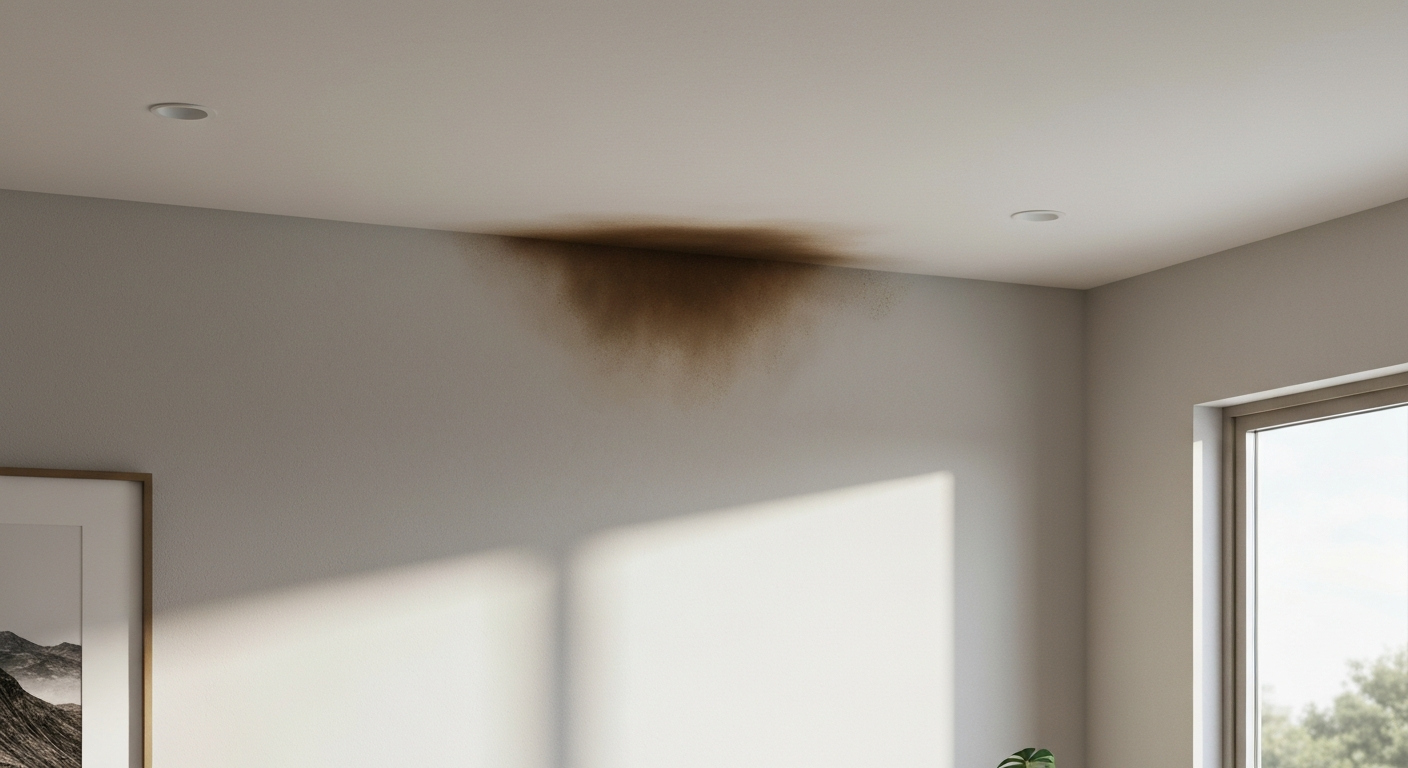
- Discoloration on walls or ceilings: Faint yellow or brown stains that slowly grow over time.
- Warped flooring: Wood, laminate, or tile that begins to lift, buckle, or feel soft underfoot.
- Mold or mildew presence: Visible growth on baseboards, under sinks, or in corners.
Where Hidden Leaks Are Most Likely to Occur
Water takes the path of least resistance, meaning a leak can originate far from where you actually see the damage. Hidden leaks are most commonly found:
- Inside walls: Supply lines to showers, sinks, and washing machines can develop pinhole leaks.
- Under flooring: Slow leaks from dishwashers or refrigerators often seep under nearby flooring.
- Slab foundations (Tucson homes): Copper pipes buried in concrete can degrade and leak over time.
- Around appliances: Water heaters and HVAC units can slowly leak from valves or drain lines.
- In ceilings or attics: Roof leaks or upstairs plumbing failures can pool water above the ceiling drywall.
How to Check for a Hidden Water Leak
If you suspect a leak but can't see water, there are a few practical steps you can take to investigate:
- Monitor your water meter: Turn off all water inside and outside the home. Check the meter. Wait two hours and check it again. If the dial has moved, you have a leak.
- Inspect visible plumbing: Check under all sinks, around the water heater, and behind the washing machine for dampness or corrosion.
- Look for moisture or damp spots: Feel the carpet near bathrooms or inspect the drywall around baseboards for soft spots.
- Check for unusual sounds: Listen closely in quiet rooms for the faint sound of running or dripping water inside the walls.
How Slab Leaks Affect Tucson Homes
Slab leaks are incredibly common in Arizona construction. Because many homes in Tucson and Southern Arizona are built on concrete slab foundations with the plumbing routed underneath, leaks can develop out of sight.
These leaks are notoriously difficult to detect and can erode the soil beneath the foundation, leading to serious structural damage, cracked concrete, and extensive indoor flooding if left unaddressed.
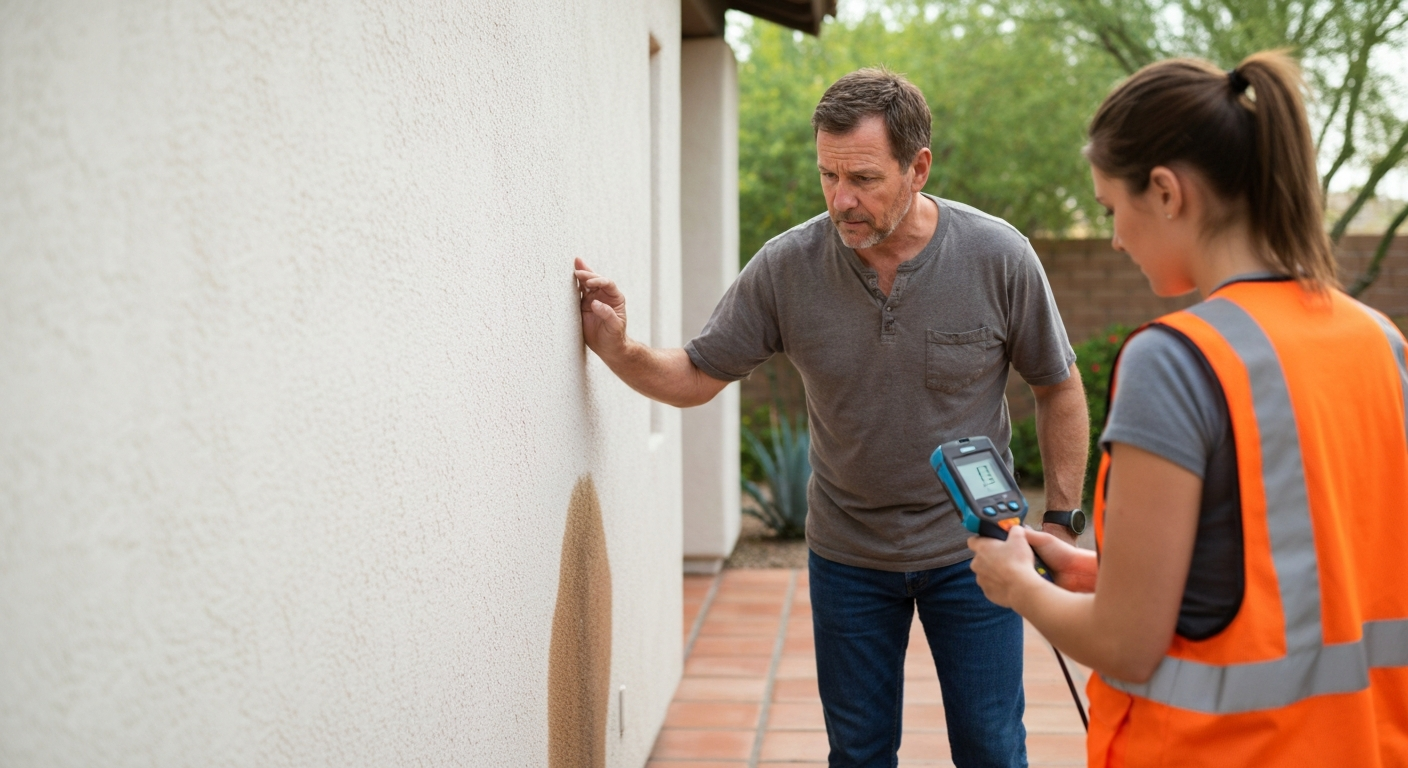
Professional technicians use thermal imaging and moisture meters to locate leaks without destructive tearing of walls.
Why Hidden Leaks Lead to Major Damage
A hidden leak is never "just a little water." Continuous moisture exposure degrades building materials rapidly. Wood framing rots, drywall crumbles, and insulation becomes useless.
More importantly, mold can begin growing within 24 to 48 hours in dark, damp spaces like wall cavities. What starts as a simple plumbing repair can quickly escalate into a massive structural restoration and mold remediation project, significantly increasing repair costs.
Suspect a Hidden Leak?
If you suspect a hidden leak, early detection can prevent costly damage. Call now for a professional inspection.
(520) 322-5326When to Call a Professional
Do not wait for a small stain to turn into a collapsed ceiling. It is time to call a professional restoration company if you experience:
- Persistent signs of moisture or musty odors that you cannot trace.
- An unknown leak source despite checking visible plumbing.
- A suspected slab leak (warm spots on the floor, sound of running water).
- Recurring water damage in the same area.
How Professional Leak Detection Works
Professional restoration teams use advanced, non-invasive technology to find the exact source of the moisture:
- Moisture mapping: Using specialized meters to trace the perimeter of the water intrusion.
- Thermal imaging: Infrared cameras identify temperature differences behind walls, revealing hidden moisture.
- Leak tracing: Pinpointing the exact location of the plumbing failure to minimize demolition.
- Damage assessment: Evaluating structural integrity and developing a comprehensive drying plan.
Find Hidden Leaks Before They Cause Damage
Small leaks can lead to major problems. Our Tucson team uses advanced tools to detect and repair hidden water leaks quickly. We proudly serve Tucson, Oro Valley, Marana, Sahuarita, and Vail.
Call Now Request ServiceNeed Emergency Restoration Help in Tucson?
Available 24/7 for water, fire, mold, and biohazard emergencies.
Request a Free Estimate
Our emergency response team is standing by 24/7. Call us directly or send a request and we'll respond right away.
Quality Restoration
- Available 24/7Serving Southern Arizona since 1982.
- 3401 E 44th St, Tucson, AZ 85713& all surrounding areas.