Can Mold Come Back After Removal?
After investing time and money into professional mold remediation, the last thing any homeowner wants is for the mold to return. Unfortunately, the short answer is yes—mold can come back. However, understanding why it returns and how to prevent it is the key to keeping your home safe and mold-free.
Why Does Mold Return?
Mold spores are naturally present in the air everywhere, both indoors and outdoors. Remediation removes the active mold growth and reduces indoor spore counts to safe, normal levels, but it doesn't completely sterilize the environment. Mold only needs two things to thrive: a food source (like drywall, wood, or dust) and moisture.
If mold comes back after removal, it almost always means one thing: the underlying moisture problem was not resolved.
Common Causes of Recurring Mold
- Unresolved Leaks: A slow plumbing leak, a roof leak, or a hidden slab leak that was never fully repaired will continue to provide the moisture mold needs to grow.
- Inadequate Drying: If water damage occurred and the structural materials (wood framing, subflooring) were not thoroughly dried using professional equipment before repairs were made, mold will quickly return.
- High Indoor Humidity: In areas like bathrooms, kitchens, and laundry rooms, poor ventilation can lead to condensation and high humidity, creating a perfect environment for mold.
- DIY Removal Attempts: Using bleach or improper cleaning techniques often only removes surface mold while leaving the "roots" (hyphae) intact within porous materials, allowing it to quickly regrow.
The Truth About Bleach
Bleach is commonly used as a DIY mold killer, but it is largely ineffective on porous surfaces like drywall and wood. The water in the bleach solution penetrates the material (feeding the mold roots), while the chemical remains on the surface. For true mold removal, professional antimicrobial treatments are required.
How to Prevent Mold From Coming Back
Preventing recurring mold requires a proactive approach to moisture control. Here are the most effective steps you can take:
- Fix the Source: Ensure all plumbing leaks, roof issues, and foundation cracks are permanently repaired.
- Control Humidity: Keep indoor humidity levels below 50%. Use exhaust fans in bathrooms and kitchens, and consider a whole-home dehumidifier if necessary.
- Improve Ventilation: Ensure your home has proper airflow, especially in attics and crawl spaces.
- Respond Quickly to Water Damage: If you experience a leak or flood, dry the area completely within 24 to 48 hours to prevent mold from taking hold.
The Role of Professional Remediation
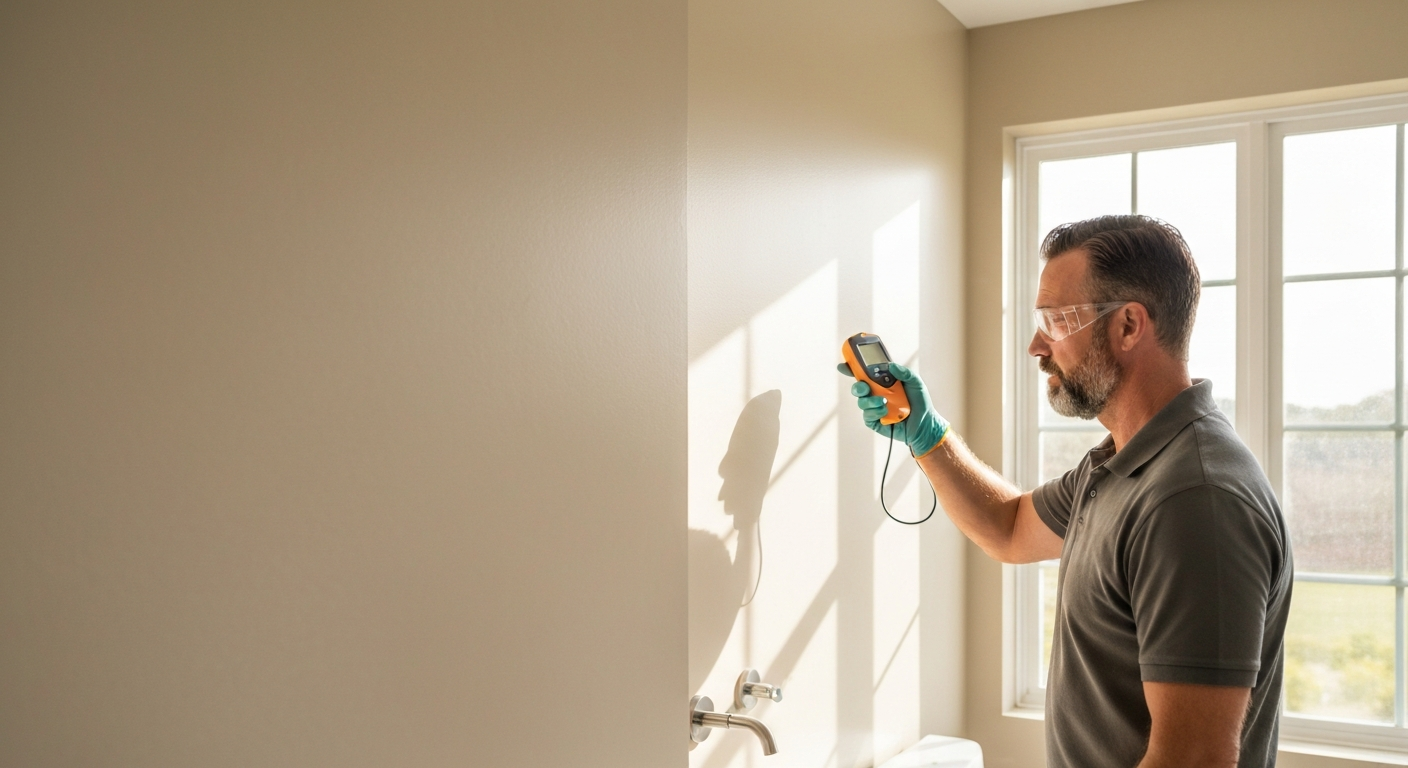
Hiring a certified professional for mold remediation is the best way to ensure the mold is safely removed and the root cause is addressed. Professionals use specialized equipment like HEPA air scrubbers and negative air pressure to prevent spores from spreading during cleanup. They also provide thorough moisture mapping to ensure the structure is completely dry, significantly reducing the risk of the mold returning.
Need Emergency Restoration Help in Tucson?
Available 24/7 for water, fire, mold, and biohazard emergencies.
Request a Free Estimate
Our emergency response team is standing by 24/7. Call us directly or send a request and we'll respond right away.
Quality Restoration
- Available 24/7Serving Southern Arizona since 1982.
- 3401 E 44th St, Tucson, AZ 85713& all surrounding areas.