
Can Water Damage Cause Structural Issues?
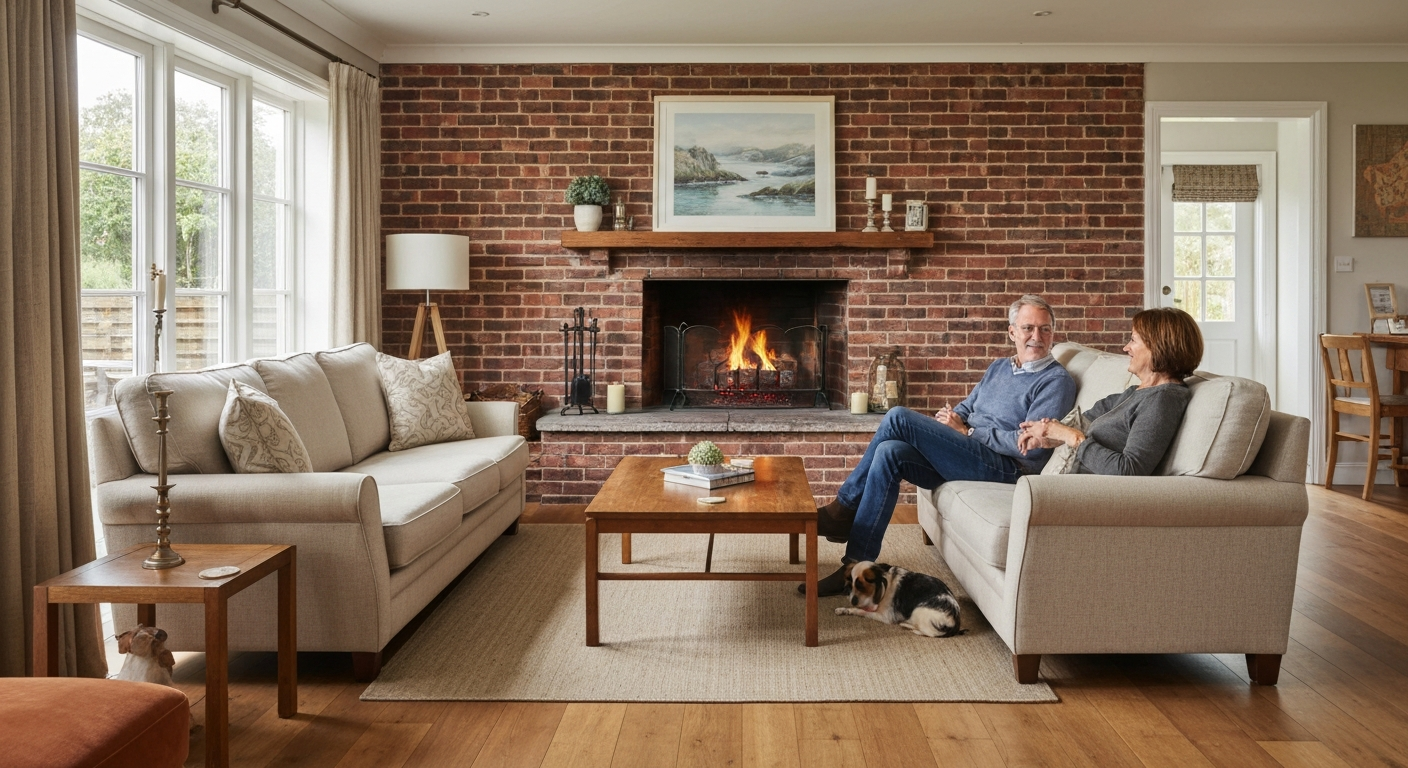
A homeowner notices a small water stain on the ceiling or a slightly warped floorboard and assumes it’s only cosmetic—until more serious issues begin to appear. What starts as a minor inconvenience can quickly escalate into a threat to the structural integrity of your home.
In Tucson and Southern Arizona, unique risks like slab leaks, sudden monsoon storms, and hidden plumbing issues make early detection critical. Water damage doesn't just stain; it deteriorates. Understanding how water impacts your home's structure is the first step in preventing costly, long-term damage.
How Water Damage Affects Structural Materials
Homes are built primarily with porous materials that absorb moisture easily. When these materials get wet and stay wet, their structural properties change drastically:
- Wood absorbs water and weakens: Framing, joists, and studs can swell, warp, and eventually rot, losing their load-bearing capacity.
- Drywall loses integrity: Wet drywall crumbles, sags, and provides zero structural support.
- Insulation becomes saturated: Wet insulation compacts, losing its insulating properties and trapping moisture against framing.
- Structural components degrade over time: Prolonged exposure leads to progressive failure of the materials holding your home together.
Common Structural Issues Caused by Water Damage
When water compromises these materials, the effects become visible throughout the home. Some of the most common structural issues include:
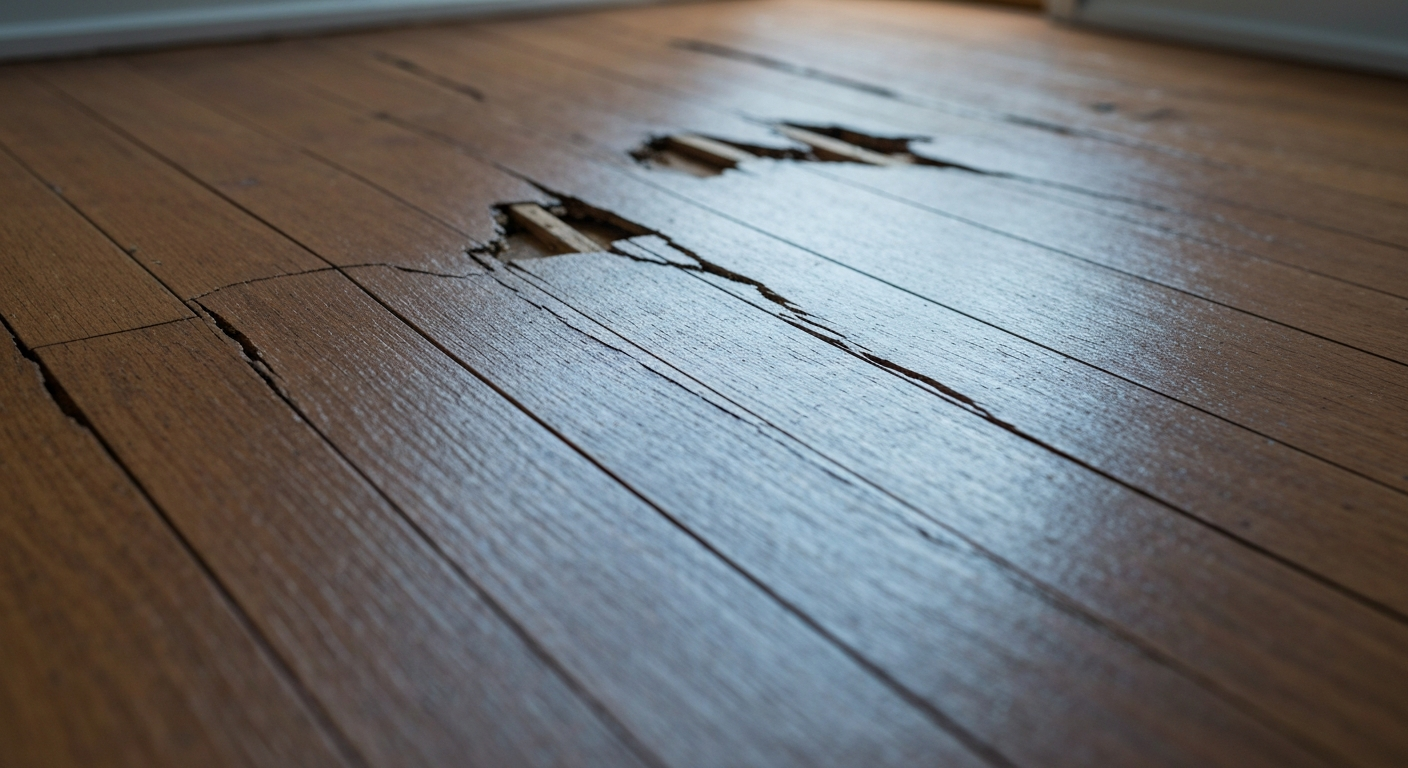
- Warped or buckling floors: Hardwood and laminate floors will cup, buckle, and separate as the subfloor swells.
- Sagging ceilings: Water pooling above a ceiling will cause the drywall to sag and eventually collapse under the weight.
- Cracked or weakened walls: As framing shifts due to water damage, stress cracks can appear in drywall and plaster.
- Foundation issues: In Tucson, homes are often built on concrete slabs. Undetected slab leaks can erode the soil beneath the foundation, leading to shifting and cracking.
How Quickly Structural Damage Can Develop
Structural damage from water isn't always a slow process. It happens in stages:
- Immediate absorption: Within minutes, water spreads and is absorbed by porous materials.
- Progressive weakening: Over days and weeks, wood begins to swell, and drywall loses its strength.
- Mold growth: Within 24 to 48 hours, mold can begin to grow, further breaking down organic materials like wood and paper.
Hidden Structural Damage Most Homeowners Miss
The most dangerous water damage is the kind you can't see. Hidden leaks can silently destroy your home's structure for months before becoming visible. Common hiding spots include:
- Behind walls, especially near plumbing fixtures
- Under flooring and subfloors
- Inside ceilings and attics
- Around foundation areas and crawlspaces
Signs Your Home May Have Structural Damage from Water
Be on the lookout for these warning signs that water is compromising your home's structure:
- Uneven, soft, or spongy flooring
- Ceiling stains, bubbling paint, or sagging
- Unexplained cracks in walls or around door frames
- Persistent musty odors indicating hidden mold and rot
- Doors or windows that suddenly stick or become hard to open
Protect Your Home's Structure
If you suspect water damage may be affecting your home's structure, a professional inspection can prevent serious problems. Call now for help.
(520) 322-5326Why Structural Damage Gets Worse Over Time
Structural damage is progressive. Continued moisture exposure means the materials never have a chance to dry out and regain their strength. Furthermore, mold growth accelerates the deterioration process, as mold feeds on the organic materials in your home. This compounding damage across multiple materials can eventually lead to partial or complete structural failure.
When to Call a Professional
Do not wait to see if the problem resolves itself. You should call a professional restoration company if you notice:
- Visible structural concerns like sagging or buckling
- Persistent moisture or musty odors that won't go away
- You have recently experienced significant leaks or flooding
- Unexplained changes in the home, such as sticking doors or new cracks
How Professional Restoration Prevents Structural Damage
A professional restoration team does more than just clean up water; they protect the bones of your house. The process includes:
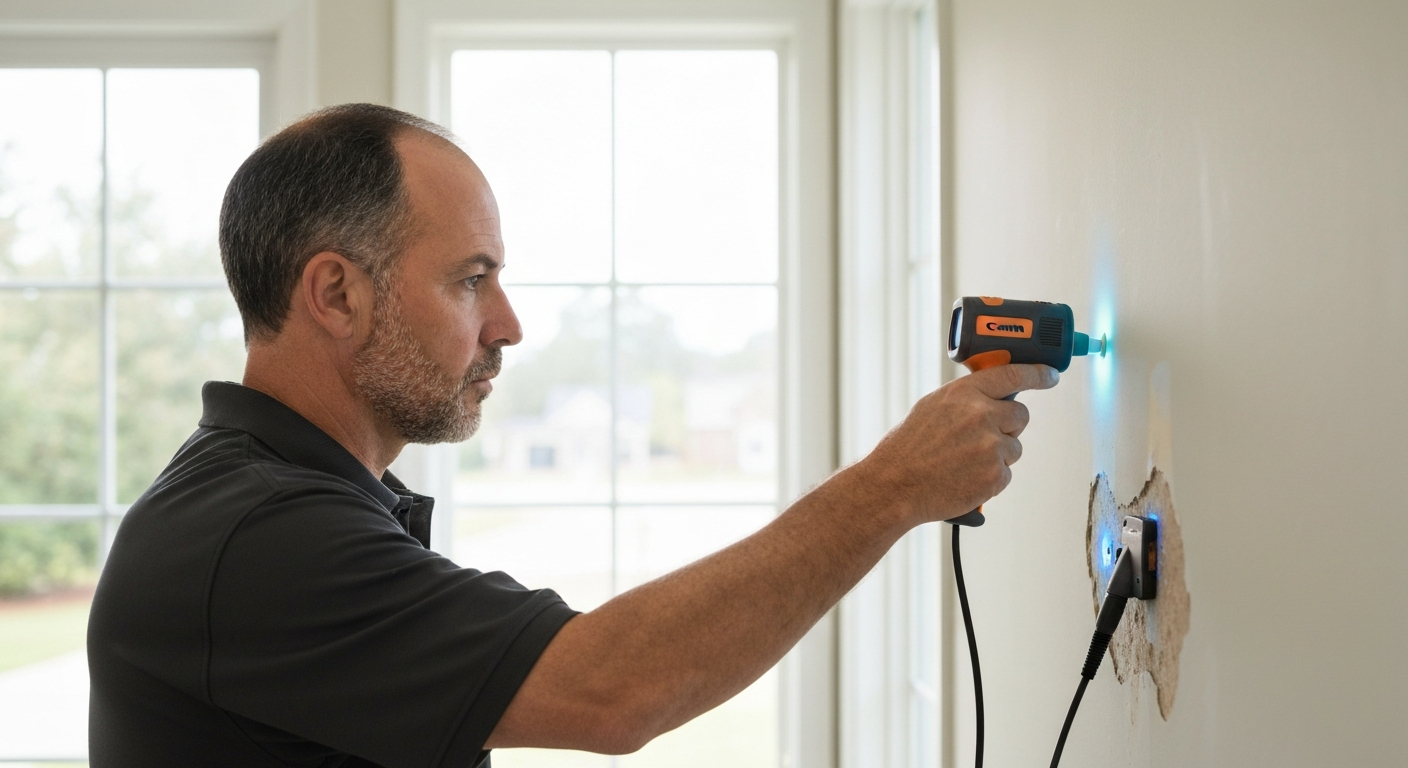
- Moisture detection and mapping: Using advanced tools to find all hidden moisture.
- Water extraction: Removing standing water quickly to halt absorption.
- Structural drying: Utilizing industrial dehumidifiers and air movers to thoroughly dry framing and subfloors.
- Repairs and reinforcement: Removing unsalvageable materials and rebuilding the structure to its pre-loss condition.
If you live in Tucson, Oro Valley, Marana, Sahuarita, or Vail, taking fast action is your best defense against long-term structural issues.
Need Emergency Restoration Help in Tucson?
Available 24/7 for water, fire, mold, and biohazard emergencies.
Request a Free Estimate
Our emergency response team is standing by 24/7. Call us directly or send a request and we'll respond right away.
Quality Restoration
- Available 24/7Serving Southern Arizona since 1982.
- 3401 E 44th St, Tucson, AZ 85713& all surrounding areas.