
What Equipment Is Used in Crime Scene Cleanup?
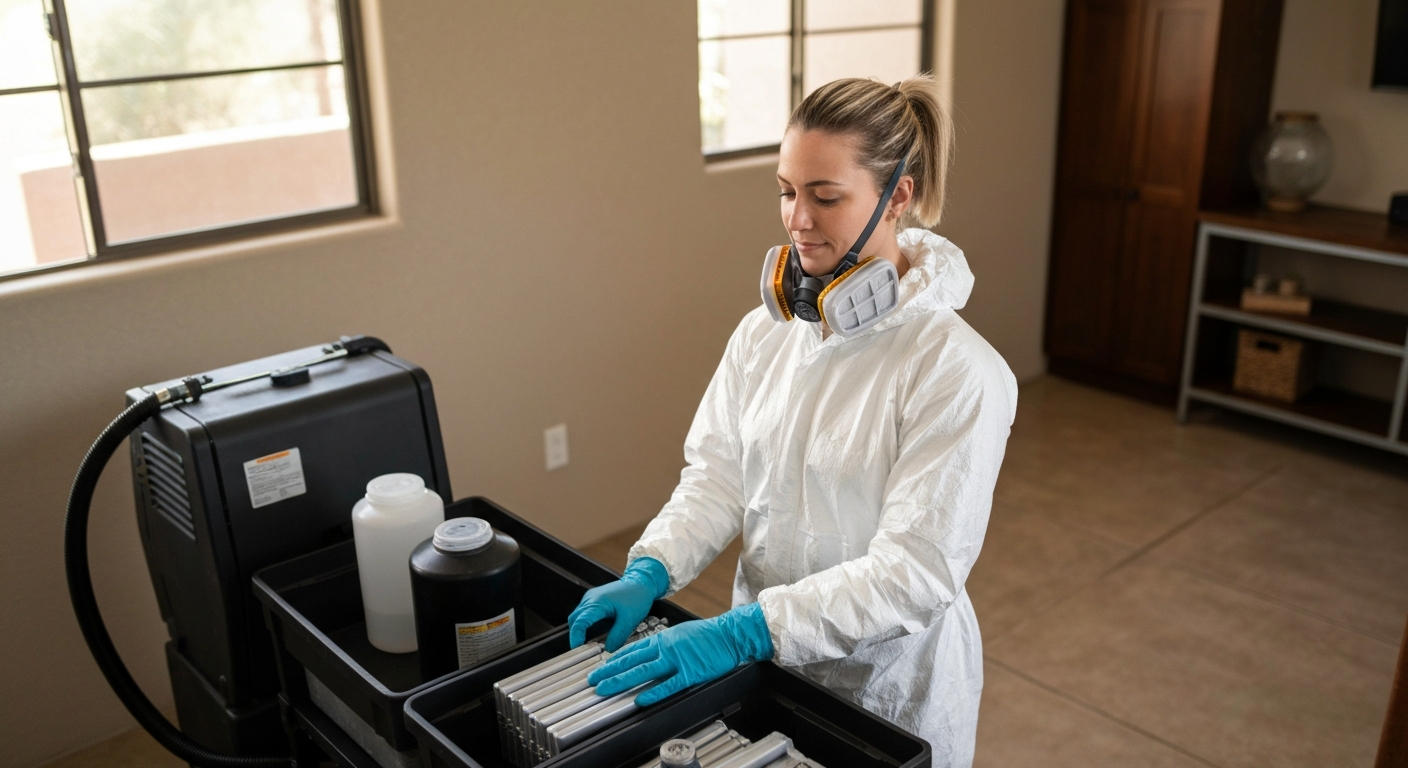
After a traumatic incident, a property owner is often left standing outside, wondering how professionals safely handle the cleanup. The process of restoring a home requires far more than standard cleaning supplies—it demands specialized, professional-grade equipment.
When dealing with biohazards, bloodborne pathogens, and chemical residues, safety and expertise are paramount. In Tucson and throughout Southern Arizona, trained professionals rely on advanced technology and strict protocols to ensure complete decontamination. Understanding the tools they use can provide peace of mind during an incredibly stressful time.
Why Specialized Equipment Is Required
Crime scene and trauma cleanup is a highly regulated field. The presence of biohazard materials, such as blood and bodily fluids, presents significant health risks. Specialized equipment is required for several critical reasons:
- Safe Containment: Preventing cross-contamination to unaffected areas of the home.
- Technician Protection: Shielding workers from dangerous pathogens and harsh chemicals.
- Occupant Safety: Ensuring the property is completely safe for families to return.
- Regulatory Compliance: Meeting strict OSHA and EPA guidelines for biohazard remediation.
Personal Protective Equipment (PPE)
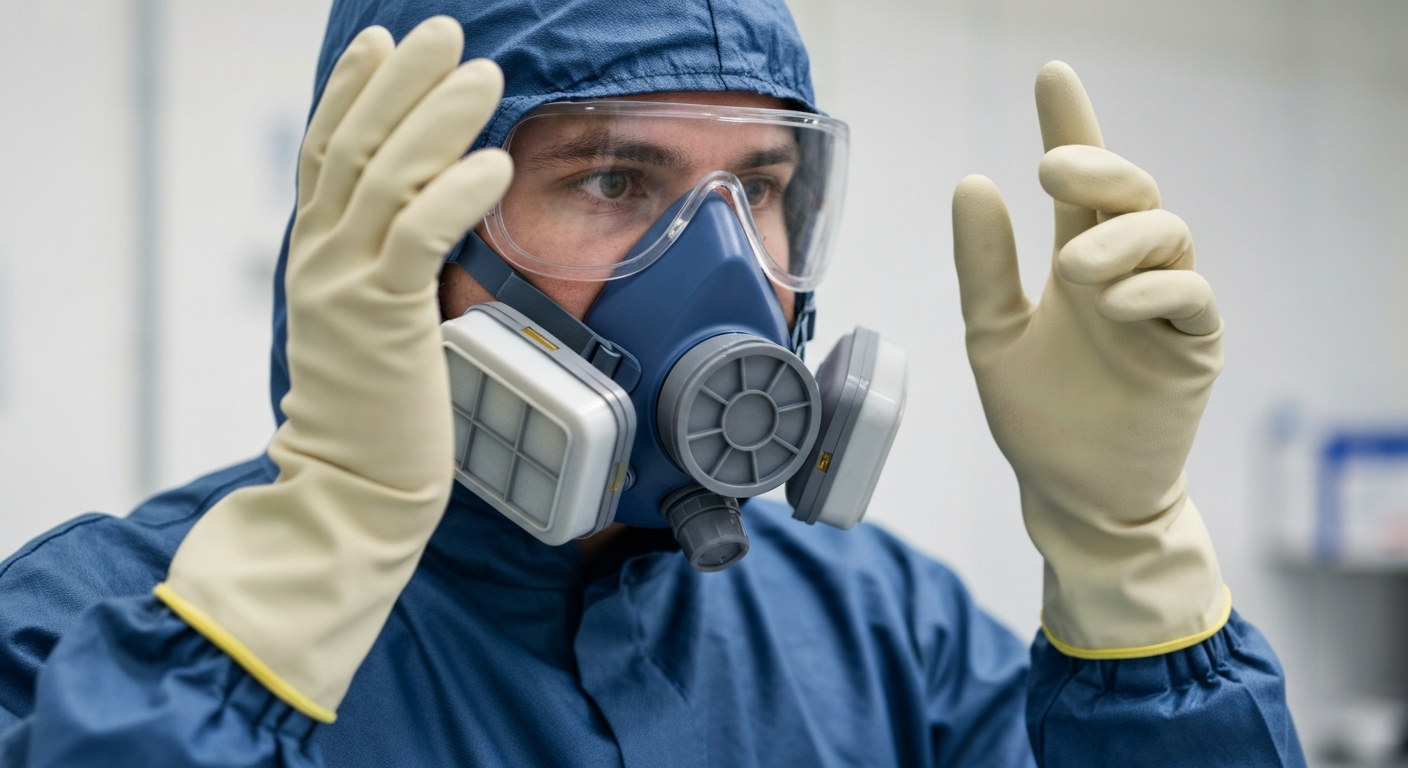
Before any cleaning begins, technicians must protect themselves. Personal Protective Equipment (PPE) is the first line of defense against bloodborne pathogens and hazardous materials.
- Protective Suits: Full-body, impermeable biohazard suits prevent contaminants from reaching the skin or clothing.
- Gloves: Double-layered, medical-grade nitrile gloves offer puncture resistance and chemical protection.
- Respirators and Masks: Full-face respirators equipped with HEPA and organic vapor filters protect against airborne pathogens and strong chemical odors.
- Eye Protection: Sealed goggles prevent splashes from entering the eyes.
Containment and Control Equipment
To prevent the spread of contaminants, the affected area must be isolated from the rest of the Tucson home.
- Plastic Sheeting: Heavy-duty poly sheeting is used to seal doors, windows, and HVAC vents, creating a controlled work zone.
- Negative Air Pressure Systems: These machines create a vacuum effect, ensuring that air flows into the containment zone but not out, trapping airborne particles.
- Decontamination Chambers: Temporary staging areas where technicians can safely put on and remove their PPE.
Cleaning and Disinfection Equipment
The core of the cleanup process relies on industrial-strength cleaning agents and the tools to apply them effectively.
- Industrial Disinfectants: EPA-registered, hospital-grade antimicrobial solutions designed to eradicate viruses, bacteria, and bloodborne pathogens.
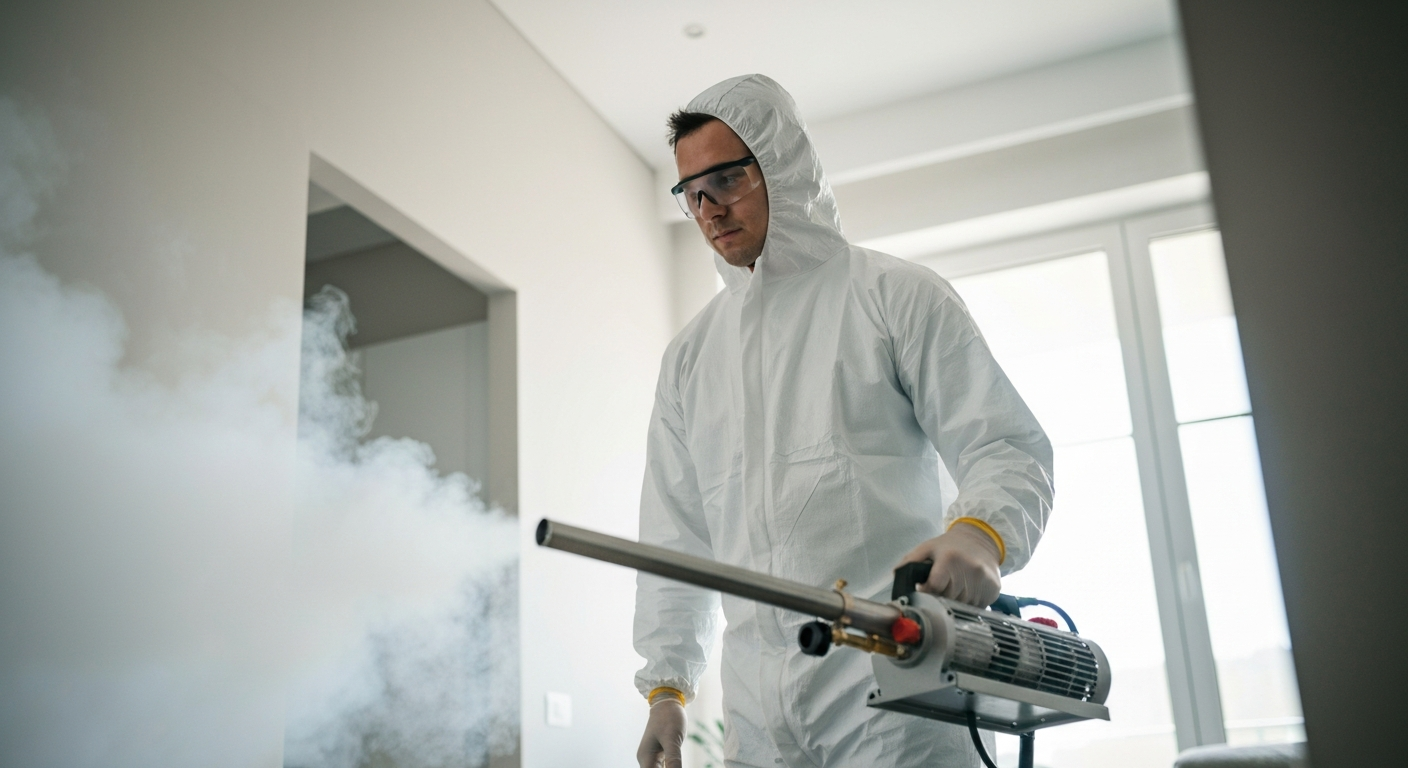
- Spray Systems: Pump sprayers and electrostatic sprayers allow for the even application of disinfectants over large surface areas.
- Surface Cleaning Tools: Specialized brushes, scrapers, and heavy-duty extraction units are used to clean porous and non-porous materials.
Air Filtration and Odor Removal Equipment
Biological decay and the chemicals used during cleanup can leave behind strong, lingering odors. Advanced air purification is necessary to restore indoor air quality.
- HEPA Air Scrubbers: These machines continuously filter the air, capturing microscopic particles, dust, and pathogens.
- Ozone Machines: Ozone generators alter the chemical composition of odor molecules, neutralizing them at the source.
- Hydroxyl Generators: A safer alternative to ozone that can be used while the property is occupied, effectively breaking down odors and airborne bacteria.
If you’re dealing with a situation that requires professional cleanup, trained technicians with the right equipment can help. Call our crime scene cleanup team now for assistance.
Waste Handling and Disposal Equipment
Biohazardous waste cannot be thrown in a standard trash can. It must be handled and disposed of according to strict state and federal regulations.
- Biohazard Bags: Thick, red, leak-proof bags specifically designed for medical and biological waste.
- Sharps Containers: Puncture-resistant boxes for the safe disposal of needles, glass, or other sharp objects.
- Safe Transport Systems: Licensed transport vehicles that take the waste to approved incineration or treatment facilities.
Inspection and Detection Tools
Professionals don't just rely on what they can see. They use scientific tools to ensure the area is truly clean.
- ATP Testing: Adenosine Triphosphate (ATP) meters measure cellular activity on surfaces, verifying that biological matter has been completely eradicated.
- Visual Inspection Tools: High-powered UV lights can reveal hidden blood or bodily fluids that were missed during the initial assessment.
- Moisture Meters: Used to ensure that cleaning solutions have dried properly, preventing secondary issues like mold growth.
Why Professional Equipment Makes a Difference
Attempting to clean a trauma scene with household products is not only ineffective but incredibly dangerous. Professional equipment ensures complete decontamination, penetrating deep into porous materials where pathogens hide.
By relying on certified experts in Tucson, Oro Valley, Marana, and Sahuarita, property owners guarantee compliance with safety regulations, protect their liability, and ensure a highly efficient cleanup process that restores the home safely and respectfully.
Need Emergency Restoration Help in Tucson?
Available 24/7 for water, fire, mold, and biohazard emergencies.
Request a Free Estimate
Our emergency response team is standing by 24/7. Call us directly or send a request and we'll respond right away.
Quality Restoration
- Available 24/7Serving Southern Arizona since 1982.
- 3401 E 44th St, Tucson, AZ 85713& all surrounding areas.