
How Floodwater Contaminates Your Home
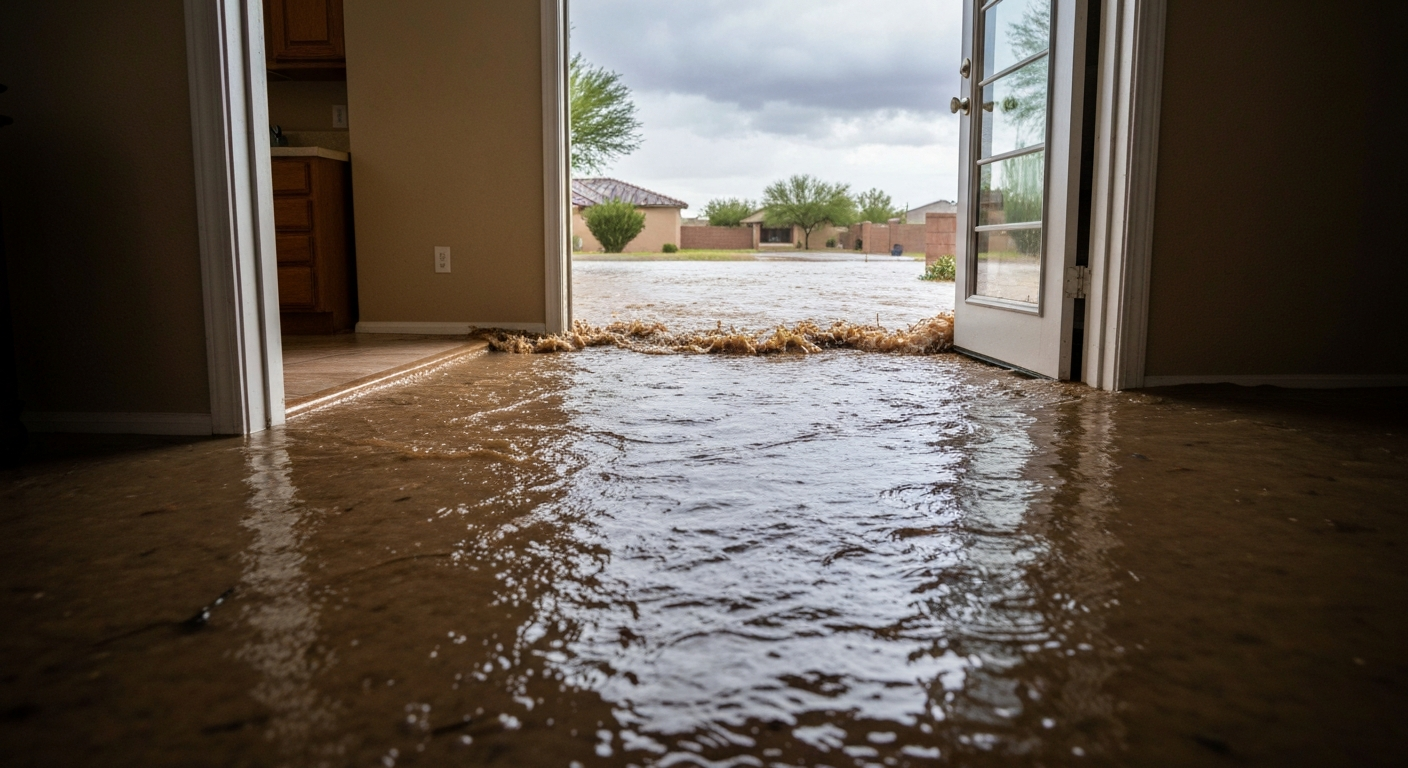
Imagine waking up to the sound of heavy rain during a severe monsoon storm, only to find water seeping beneath your front door. In the panic of the moment, a homeowner might assume it’s just rainwater—an inconvenience that can be mopped up and dried out. Unfortunately, this is a dangerous misconception. Floodwater is rarely clean, and failing to understand the contamination risks involved can lead to severe health consequences and long-term property damage.
In Tucson and the broader Southern Arizona region, sudden monsoon flooding and flash floods are a reality. When water rushes over dry, sun-baked earth and through city streets, it picks up everything in its path before entering your home. Understanding these hidden dangers is the first step in realizing why immediate, proper cleanup is not just a recommendation, but an absolute necessity for the safety of your family.
What Makes Floodwater Contaminated
Unlike water from a clean pipe burst inside your home, floodwater originates from the outside environment. As it travels across roads, lawns, industrial areas, and drainage ditches, it acts like a giant sponge, absorbing dirt, debris, chemicals, and bacteria.
In the restoration industry, water damage is categorized by its level of contamination. Natural floodwater is almost universally classified as "Category 3" or "black water." This is the most dangerous classification, indicating that the water is highly contaminated and poses a significant risk of severe illness or death if ingested, touched, or inhaled without proper protective equipment.
Common Sources of Contamination in Floodwater
To understand why black water is so dangerous, it helps to look at exactly what it carries into your living space. Common sources of contamination include:
- Sewage overflow: Heavy rains frequently overwhelm municipal sewer systems and septic tanks, causing raw sewage to mix with floodwaters.
- Groundwater pollutants: Fertilizers, pesticides, and animal waste from nearby lawns and agricultural areas are swept up in the runoff.
- Chemicals and runoff: Motor oil, gasoline, antifreeze, and industrial chemicals from roadways and driveways are carried directly into your home.
- Bacteria and pathogens: The mixture of organic waste and warm temperatures creates a breeding ground for harmful microorganisms.
How Floodwater Spreads Contamination Through Your Home
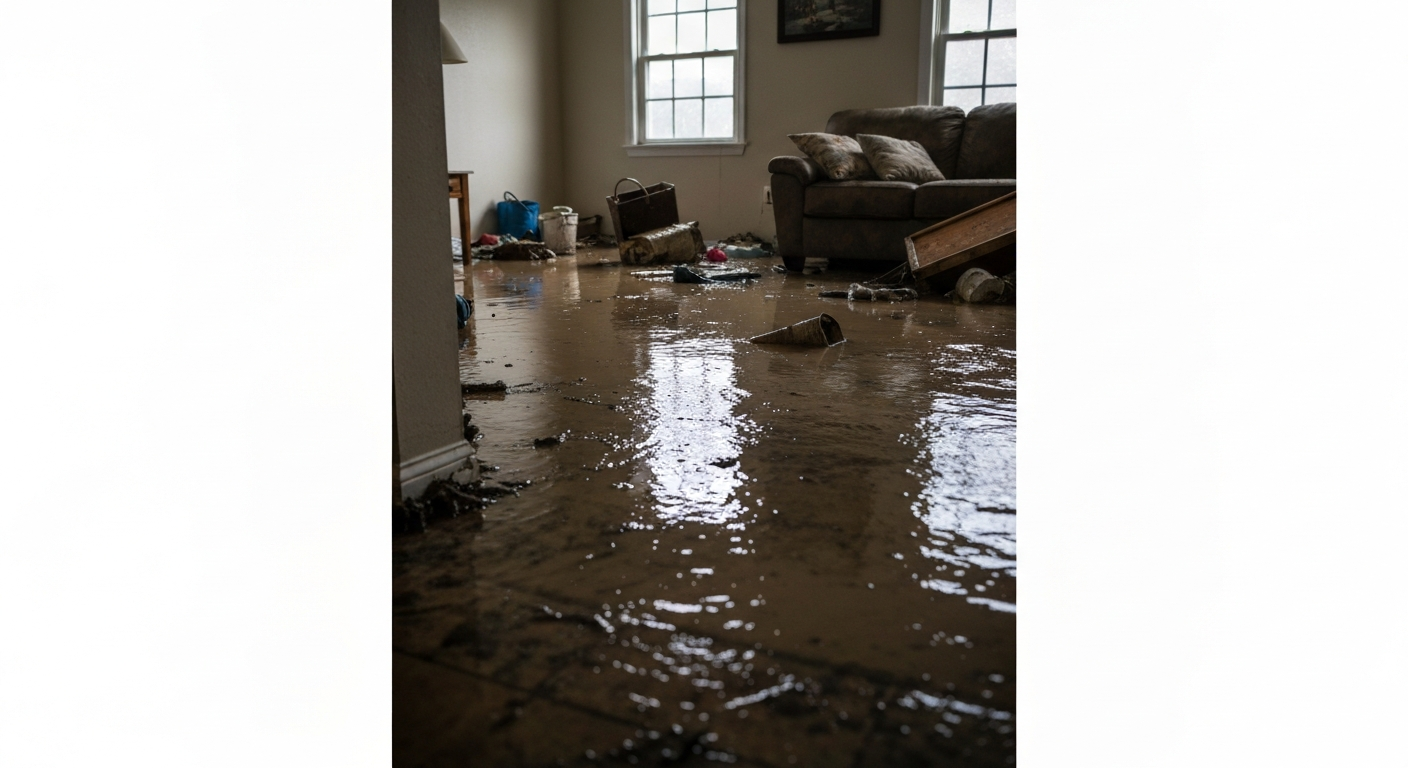
The moment contaminated water crosses your threshold, the damage begins to spread far beyond the visible water line. Floodwater is highly pervasive and will migrate into any porous material it touches.
First, it absorbs rapidly into drywall, flooring, carpeting, and insulation. These materials act like wicks, drawing the contaminated moisture upward into your walls. Second, if your HVAC system is running or if water reaches the floor vents, the contamination can be circulated throughout the entire house, spreading airborne pathogens and odors into unaffected rooms. Finally, furniture, personal belongings, and sentimental items that come into contact with black water often absorb the toxins, making them extremely difficult—and sometimes impossible—to safely salvage without professional intervention.
Floodwater can contain harmful contaminants.
If your home has been affected by flooding, do not risk your health. Call now for professional cleanup and decontamination.
Call Now for Professional CleanupHealth Risks of Floodwater Exposure
The dangers of floodwater are not just structural; they are deeply hazardous to human health. Exposure to Category 3 water can lead to severe medical issues, especially for children, the elderly, or those with compromised immune systems. Risks include:
- Bacterial infections: Contact with sewage-tainted water can cause gastrointestinal illnesses, E. coli infections, and tetanus.
- Respiratory issues: As the water sits, mold begins to grow within 24 to 48 hours, releasing spores that trigger asthma and severe allergic reactions.
- Skin irritation: Chemical pollutants and bacteria can cause rashes, dermatitis, and infections in open wounds.
- Exposure to harmful chemicals: Inhaling or touching water tainted with household or automotive chemicals can lead to toxic exposure.
Why Flood Damage Requires Professional Cleanup
Because of the severe health risks, cleaning up after a flood is not a DIY project. It requires the expertise of a professional Flood Damage Restoration Tucson team.
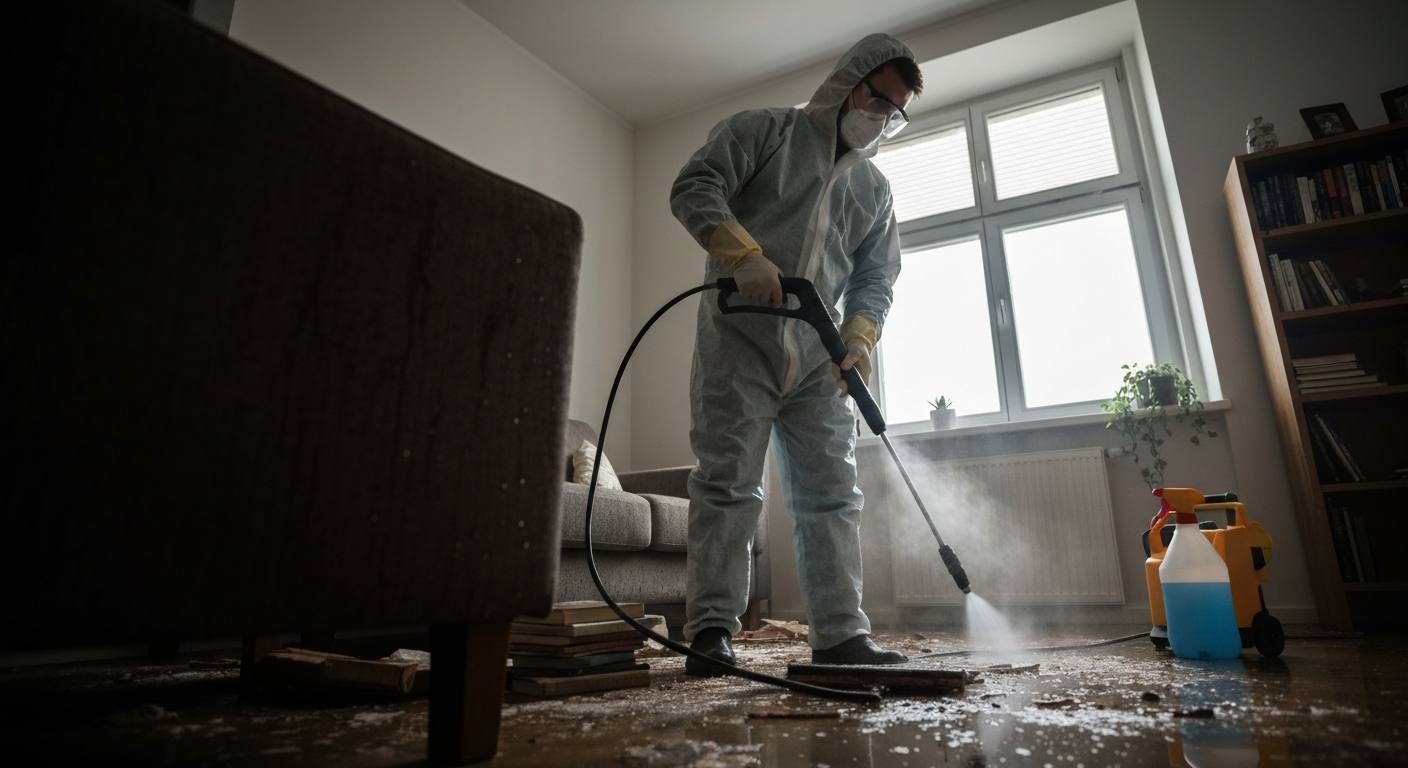
Professionals are trained in the proper handling of hazardous materials and use specialized personal protective equipment (PPE). They have access to industrial-grade water extraction units, structural drying equipment, and EPA-registered disinfectants that are not available to the general public. Furthermore, a professional team ensures a complete decontamination process, guaranteeing that the home meets safety and compliance standards before you move back in. This often overlaps with Biohazard Cleanup protocols due to the presence of raw sewage and pathogens.
What to Do After Floodwater Enters Your Home
If you experience flooding, your immediate actions can prevent further damage and keep your family safe. Follow these crucial steps:
- Avoid contact with contaminated water: Keep children and pets far away from the flooded area.
- Turn off electricity if safe: Prevent electrocution by shutting off the power at the breaker, but only if you can do so without standing in water.
- Remove standing water if possible: Only use pumps or wet vacs if you have the proper safety gear, and never use household vacuums.
- Do not attempt deep cleaning yourself: Bleach and household cleaners are not sufficient to eradicate black water pathogens.
- Call a professional restoration company: Time is of the essence to prevent mold and structural rot.
The Professional Flood Damage Restoration Process
When a professional team arrives at your Tucson home, they follow a rigorous, step-by-step process to ensure your property is completely restored:
First, they conduct a thorough assessment and contamination evaluation to understand the extent of the damage. Next, heavy-duty pumps are used for rapid water extraction. Once the standing water is gone, the critical decontamination and sanitation phase begins, utilizing antimicrobial treatments to kill bacteria and prevent mold. Structural drying follows, using commercial air movers and dehumidifiers to pull moisture from deep within the building materials. Finally, the team handles restoration and repairs, replacing damaged drywall, flooring, and insulation to return your home to its pre-loss condition.
How to Prevent Flood Damage in Tucson Homes
While you cannot control the weather, you can take steps to protect your property in Tucson, Oro Valley, Marana, Sahuarita, and Vail.
Ensure your home has proper drainage systems that direct water away from the foundation. Regular roof and gutter maintenance is essential to prevent water from cascading down the sides of your house. Consider landscaping for water flow, such as creating dry riverbeds (arroyos) to channel monsoon runoff safely. Finally, proactive monsoon preparation—such as having sandbags ready and inspecting window seals—can make a significant difference when a storm hits.
Need Emergency Restoration Help in Tucson?
Available 24/7 for water, fire, mold, and biohazard emergencies.
Request a Free Estimate
Our emergency response team is standing by 24/7. Call us directly or send a request and we'll respond right away.
Quality Restoration
- Available 24/7Serving Southern Arizona since 1982.
- 3401 E 44th St, Tucson, AZ 85713& all surrounding areas.