
Health Risks of Biohazard Exposure
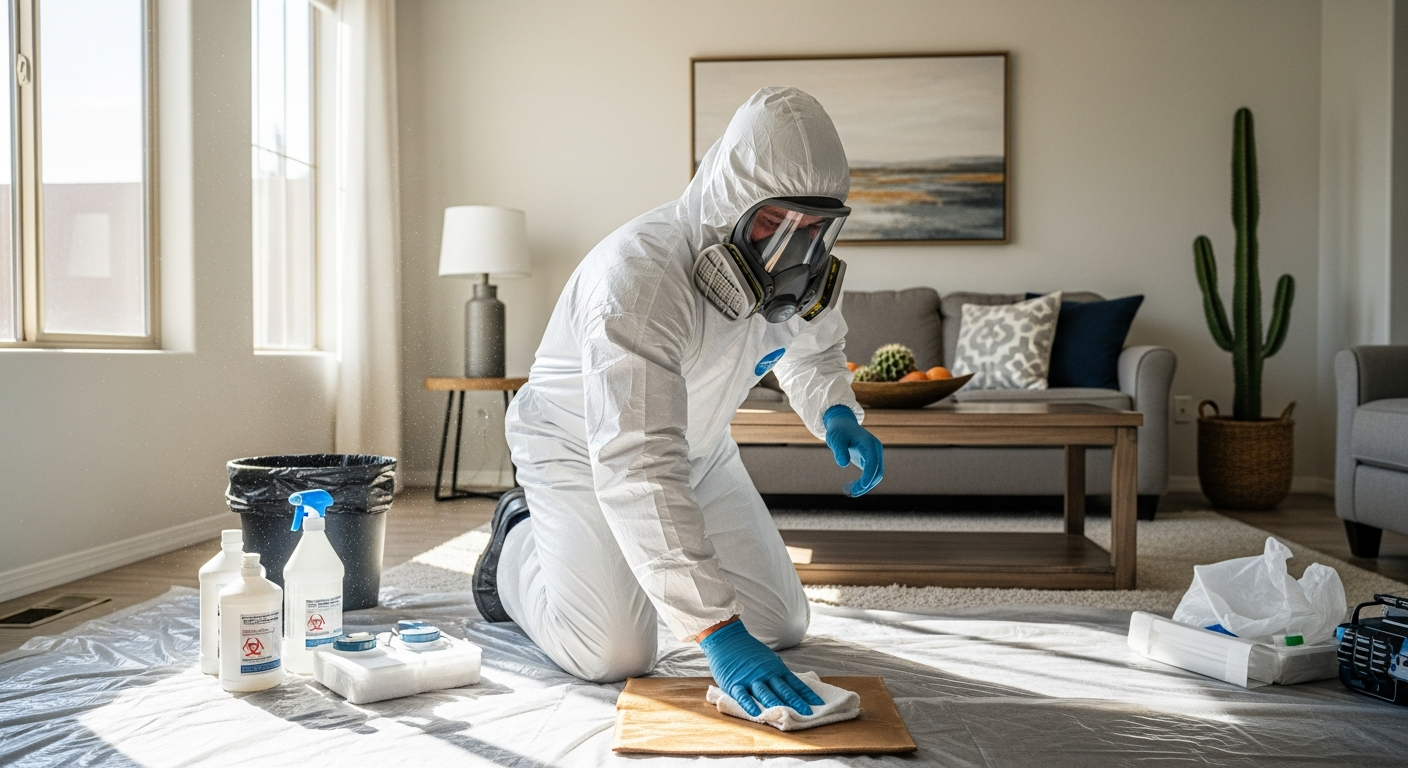
Biohazards are among the most dangerous situations a property owner can face — precisely because the threats they pose are often invisible. Blood, bodily fluids, decomposition, sewage, and chemical contamination can all carry pathogens and toxins that cause serious illness long after the visible mess is gone. Understanding the real health risks of biohazard exposure is the first step toward protecting yourself, your family, and anyone who enters the affected space.
What Counts as a Biohazard?
A biohazard is any biological substance that poses a threat to human health. In a residential or commercial setting, this commonly includes blood and bodily fluids, human or animal waste, the aftermath of an unattended death, sewage backups, hoarding environments, and materials contaminated with mold or chemicals. What these scenarios share is the potential to harbor bacteria, viruses, and other pathogens that are not neutralized by ordinary household cleaning.
Bloodborne Pathogens
Blood is one of the most serious biohazards because it can transmit bloodborne pathogens such as Hepatitis B, Hepatitis C, and HIV. These viruses can survive on surfaces outside the body for hours or even days, depending on conditions. Coming into contact with contaminated blood — especially through a cut, the eyes, or other mucous membranes — creates a genuine risk of infection, which is why professional remediation always treats blood as potentially infectious.
Airborne and Surface Contaminants
Not every biohazard threat is visible or requires direct contact. Decomposition and sewage release airborne bacteria, gases, and fine particulate that can be inhaled, leading to respiratory irritation, nausea, and infection. Mold spores aggravate asthma and allergies and can cause longer-term respiratory problems. Hoarding environments often combine several of these hazards at once — animal waste, spoiled food, mold, and pest infestation — creating a compounding risk to anyone inside.
Short-Term and Long-Term Health Effects
Exposure to biohazards can produce immediate symptoms such as nausea, dizziness, headaches, skin irritation, and respiratory distress. The more serious danger, however, is often delayed. Bacterial and viral infections may not present symptoms for days or weeks, and repeated or prolonged exposure to contaminants like mold or sewage gases can contribute to chronic respiratory conditions and weakened immune function. Children, older adults, and anyone with a compromised immune system are especially vulnerable.
Why DIY Cleanup Is So Risky
It is natural to want to clean up a traumatic or contaminated scene quickly, but attempting it yourself is dangerous. Household cleaners do not reliably kill bloodborne pathogens, and ordinary gloves and masks do not provide adequate protection. Worse, improper cleaning can aerosolize contaminants — spreading them through the air and HVAC system into other parts of the building. Without proper containment, you risk turning a localized problem into a whole-property one.
How Professionals Keep You Safe
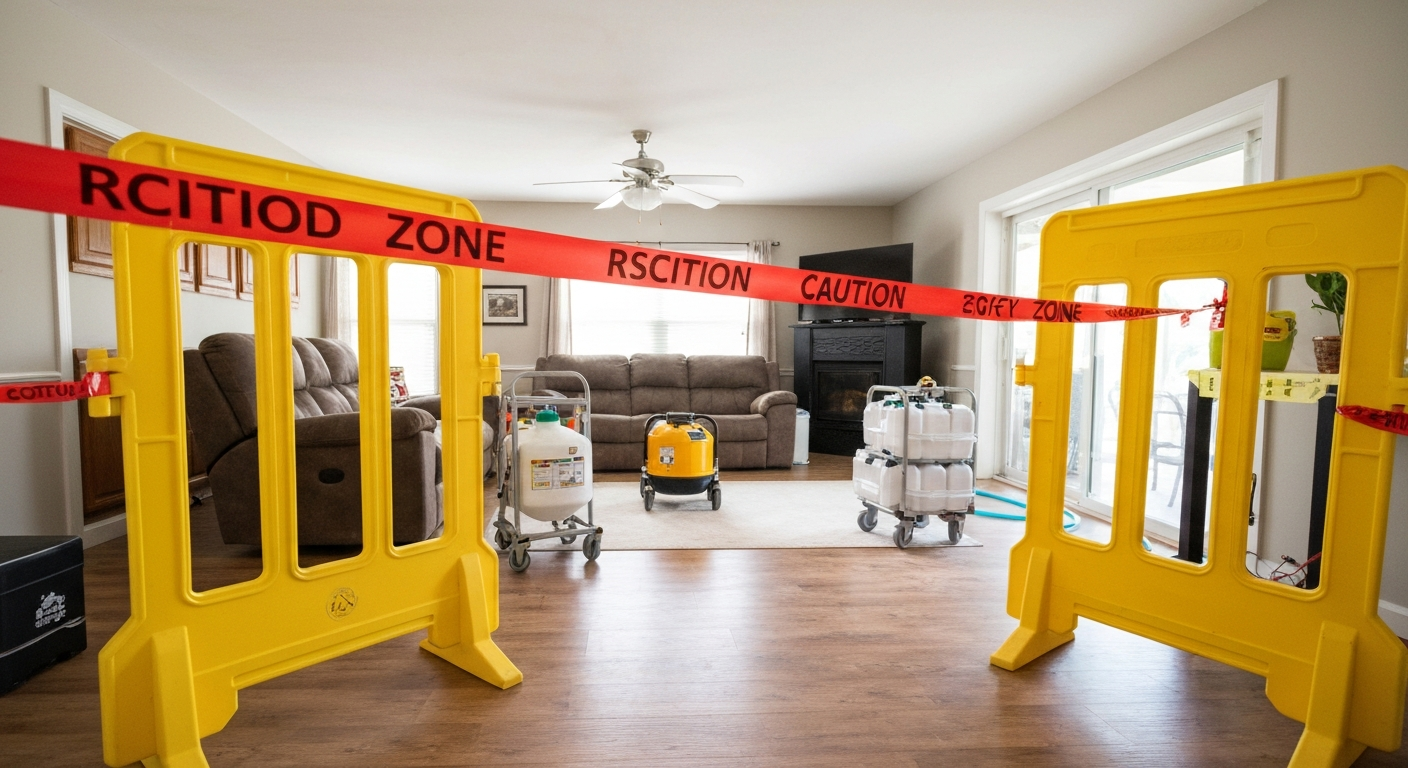
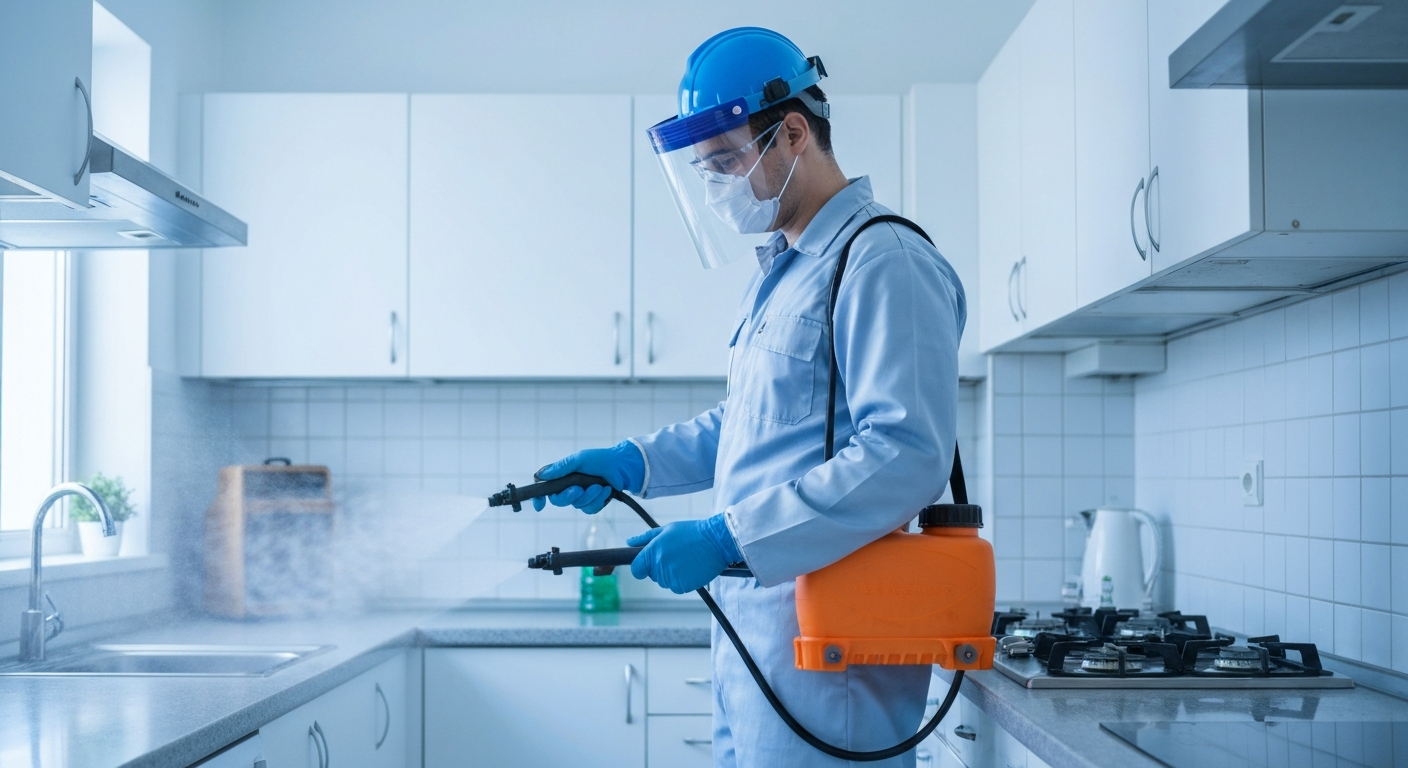
Certified biohazard remediation technicians follow strict OSHA and EPA protocols designed to eliminate risk. They wear full personal protective equipment, establish containment zones with negative air pressure, use hospital-grade disinfectants, and dispose of contaminated materials as regulated medical waste. After cleaning, they verify that surfaces and air quality have returned to safe levels — something that simply cannot be confirmed by eye.
Protect Your Health — Call the Experts
When you are facing any biohazard situation, your health and safety should come first. The invisible risks are real, but they are also entirely manageable with the right professional response. Our IICRC-certified team has safely handled biohazard, trauma, and decontamination jobs across Tucson and Southern Arizona since 1982, and we respond 24/7 with discretion and compassion. If you are dealing with a biohazard, do not put yourself at risk — let our trained specialists restore your property to a safe, healthy condition.
Need Emergency Restoration Help in Tucson?
Available 24/7 for water, fire, mold, and biohazard emergencies.