

How to Help a Loved One with Hoarding Disorder
It can happen gradually. You visit a family member's home and notice that the clutter has grown from a few out-of-place items to stacks of belongings blocking the hallways. You want to help, but you aren't sure where to start.
Addressing hoarding behavior is emotionally challenging for everyone involved. It requires immense sensitivity, patience, and concern. In Tucson and across Southern Arizona, many families face this exact situation. Fortunately, with the right approach and the availability of professional help, you can make a meaningful difference in your loved one's life.
What Is Hoarding Disorder
Hoarding disorder is a complex mental health condition characterized by a persistent difficulty discarding or parting with possessions, regardless of their actual value. This difficulty is accompanied by an intense perceived need to save the items and distress when faced with getting rid of them.
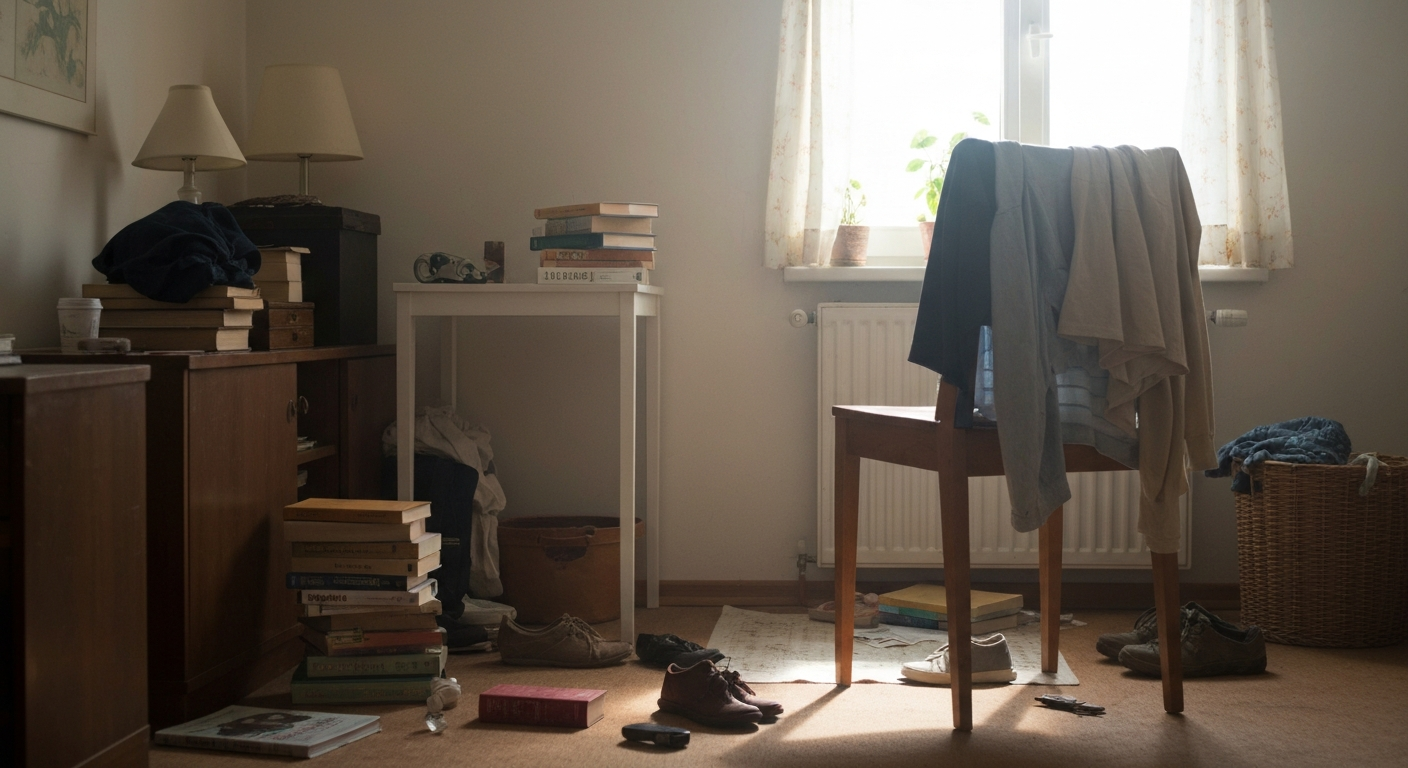
It is important to understand the difference between everyday clutter and hoarding. Clutter might make a room look messy, but hoarding significantly impacts daily living. It can render essential areas of the home, like kitchens and bathrooms, completely unusable, creating serious safety hazards.
Why Hoarding Is Difficult to Address
Helping someone with hoarding disorder is rarely as simple as renting a dumpster and throwing things away. In fact, doing so can cause severe psychological distress.
Individuals with hoarding disorder often have a deep emotional attachment to their items. The thought of discarding them causes intense anxiety and stress. They may experience a profound fear of losing control over their environment and their belongings, which often leads to strong resistance to outside help. Understanding these underlying emotions is crucial when trying to intervene.
Signs a Loved One May Need Help
Recognizing when a loved one needs intervention is the first step toward getting them the support they need. Look for these common signs:
- Limited access to living spaces: Hallways, bedrooms, and kitchens become difficult to navigate.
- Excessive accumulation of items: Keeping large amounts of items that appear to have no use or value.
- Safety hazards: Blocked exits, fire risks from piled paper, or structural strain on the home.
- Isolation or withdrawal: Reluctance to let anyone inside the home due to shame or embarrassment.
- Difficulty maintaining hygiene: Inability to use the bathroom or kitchen properly due to clutter.
How to Approach the Conversation
When discussing the situation, your tone and approach matter more than anything. Use empathy and understanding rather than frustration.
Avoid judgment, criticism, or confrontation. Statements like "Why do you keep all this junk?" will only cause your loved one to become defensive and withdraw further. Instead, focus the conversation entirely on their safety and well-being. Express your concern that they might trip and fall, or that emergency responders wouldn't be able to reach them if they needed help. Above all, be patient and supportive throughout the process.
If you’re helping a loved one with hoarding, professional support can make the process easier and safer. Call now for guidance in Tucson and the surrounding areas.
Why Professional Hoarding Cleanup Can Help
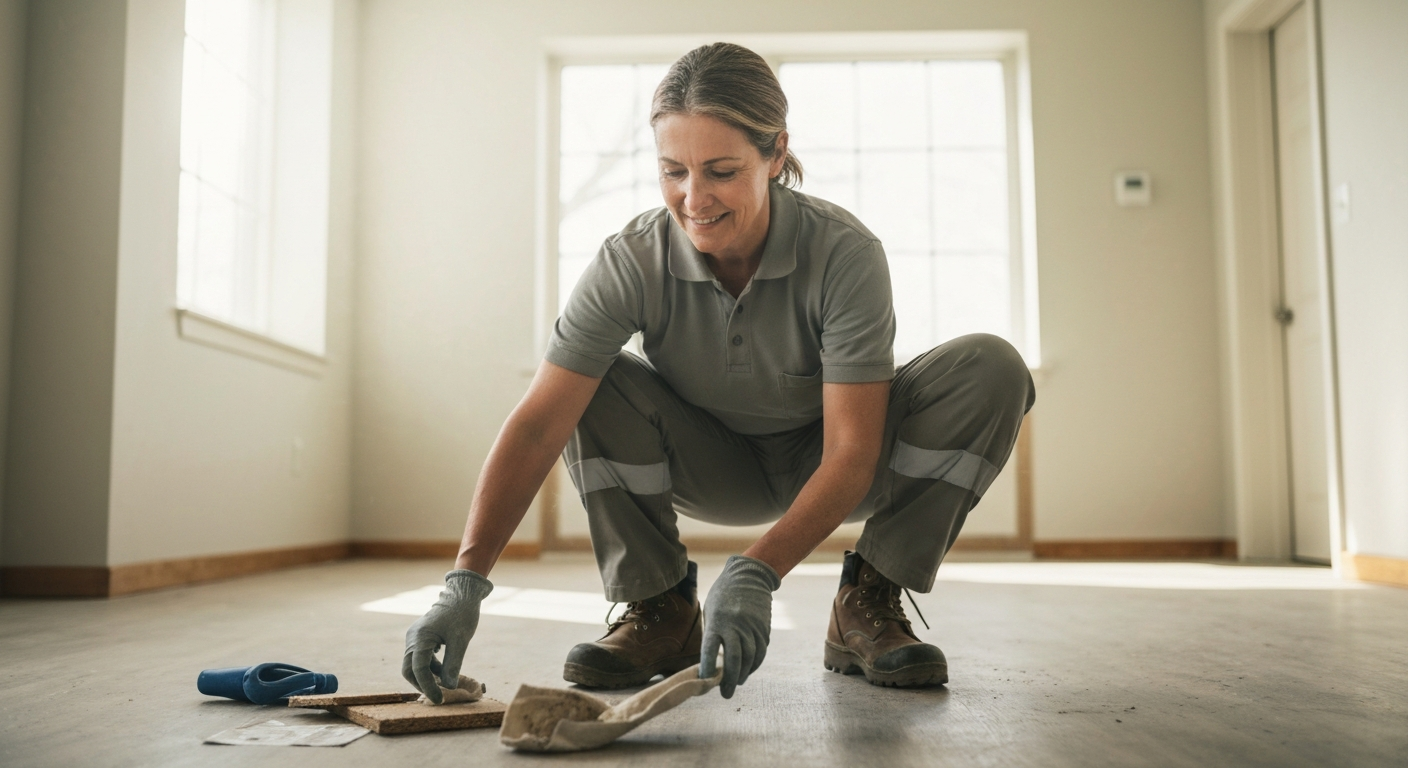
Tackling a hoarding situation alone is overwhelming and often physically dangerous. Hiring a professional hoarding cleanup service in Tucson provides a safe and structured process.
Professionals understand the emotional weight of the situation and work respectfully alongside the individual. This significantly reduces stress for families. Moreover, professionals have the equipment and expertise to handle proper sanitation, structural assessments, and the safe removal of hidden hazards like mold or pest infestations.
What to Expect During Hoarding Cleanup
A reputable restoration company will follow a careful, step-by-step process:
- Assessment and planning: A compassionate evaluation of the property to identify safety hazards and create a customized cleanup plan.
- Sorting and removal: Working methodically to separate valuable items, important documents, and keepsakes from debris.
- Deep cleaning and sanitation: Thoroughly cleaning and disinfecting surfaces that have been buried under clutter.
- Odor removal and restoration: Utilizing advanced equipment to eliminate persistent smells and restore the home to a safe, livable condition.
How to Support Long-Term Change
The cleanup is only the first step. To prevent the clutter from returning, it is essential to support long-term change.
Encourage ongoing support, such as therapy with a mental health professional who specializes in hoarding disorder. Help your loved one maintain organization by establishing simple, manageable routines. Address the underlying emotional issues rather than just focusing on the physical items. Most importantly, stay involved without applying pressure. Regular, supportive check-ins can help ensure their home in Oro Valley, Marana, or Sahuarita remains a safe haven.
Need Emergency Restoration Help in Tucson?
Available 24/7 for water, fire, mold, and biohazard emergencies.
Request a Free Estimate
Our emergency response team is standing by 24/7. Call us directly or send a request and we'll respond right away.
Quality Restoration
- Available 24/7Serving Southern Arizona since 1982.
- 3401 E 44th St, Tucson, AZ 85713& all surrounding areas.