What Is Level 1–5 Hoarding and How Is It Handled?
For many families in Tucson, the transition from a "messy house" to a hoarding situation happens so gradually that it's difficult to pinpoint when it becomes a crisis. You might notice a few more stacks of newspapers in the corner, or a guest room that has slowly become a storage unit for items that "might be useful someday."
When does clutter cross the line into a serious health and safety hazard? Understanding that hoarding exists on a spectrum is the first step toward finding a solution. The Institute for Challenging Disorganization (ICD) developed a 5-level scale to help professionals and families categorize the severity of hoarding. This structured approach allows for a more effective, compassionate, and safe restoration process.
In this guide, we will explore each of the five levels of hoarding, the specific risks associated with them, and how professional hoarding cleanup in Tucson is managed at every stage.
What Is Hoarding and How Is It Classified?
Hoarding is more than just having "too much stuff." It is a complex psychological condition characterized by persistent difficulty discarding or parting with possessions, regardless of their actual value. This behavior often leads to the accumulation of items that congest and clutter active living areas, making them unusable.
The difference between clutter and hoarding is primarily functionality. A person with clutter can still use their kitchen to cook, their bathroom to bathe, and their hallways to navigate safely. In a hoarding situation, these basic functions are compromised.
The Level 1–5 classification system is a standard tool used by restoration professionals, social workers, and mental health experts to assess:
- The accessibility of doors, windows, and hallways.
- The functionality of plumbing, electricity, and HVAC systems.
- The presence of biohazards, mold, or pest infestations.
- The overall safety and structural integrity of the home.
Level 1 Hoarding (Mild)
Level 1 is the mildest form of hoarding. To an outside observer, the home may appear slightly cluttered or lived-in, but it does not yet present significant safety risks.
Characteristics of Level 1:
- All doors and windows are accessible.
- Clutter is present but does not block pathways or living areas.
- There are no noticeable odors or sanitation issues.
- Plumbing and electrical systems are fully functional.
While Level 1 might seem harmless, it is often the early warning stage. The individual may have difficulty discarding items, and without intervention or organizational support, the situation can escalate over time.
Level 2 Hoarding (Moderate)
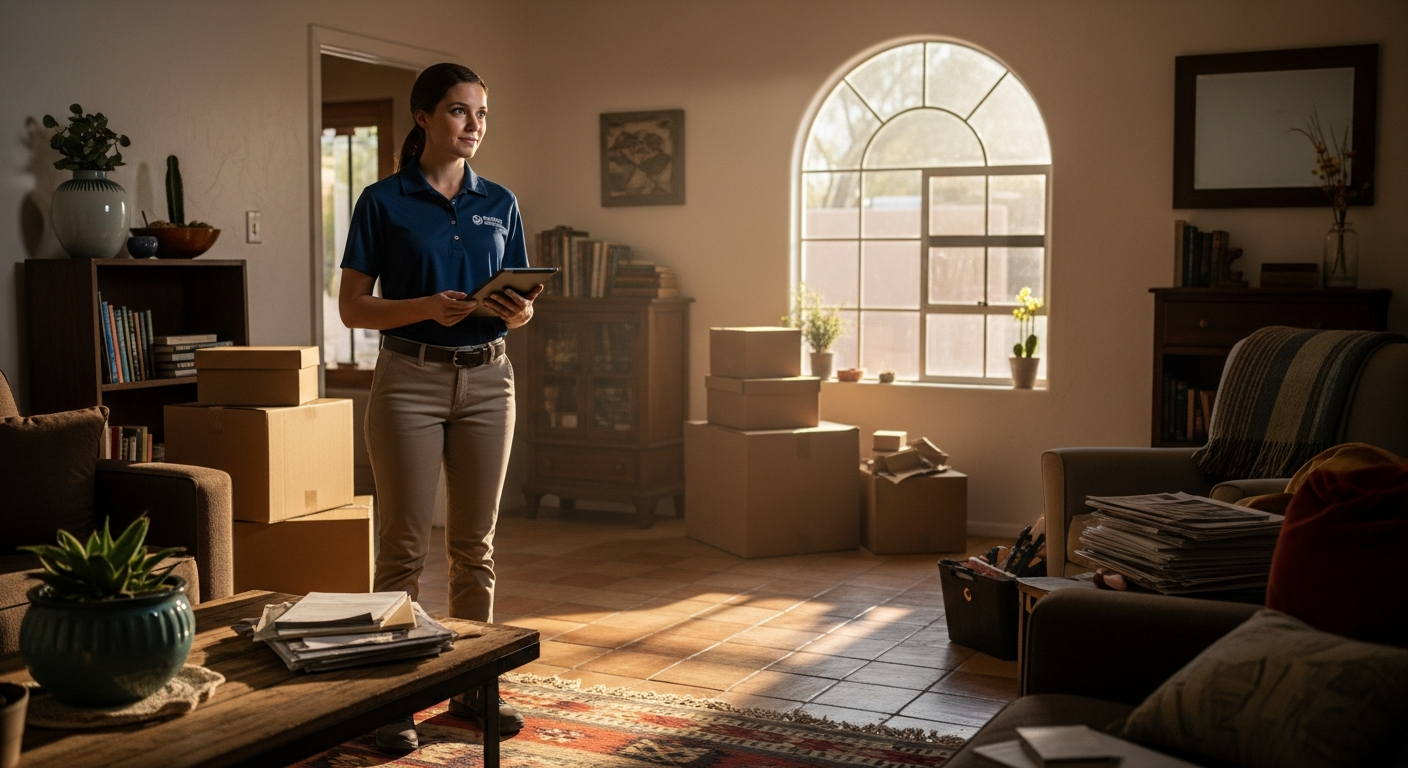
At Level 2, the hoarding behavior becomes more apparent. Clutter begins to impact the functionality of the home, and early safety concerns may arise.
Characteristics of Level 2:
- At least one exit or major pathway is partially obstructed.
- One or more rooms may be unusable for their intended purpose (e.g., a dining table covered in boxes).
- Noticeable odors may be present, often from pet waste or overflowing trash.
- Evidence of minor pest activity (ants or flies) may be visible.
- Housekeeping is inconsistent, leading to dust and grime buildup.
Level 3 Hoarding (Severe)
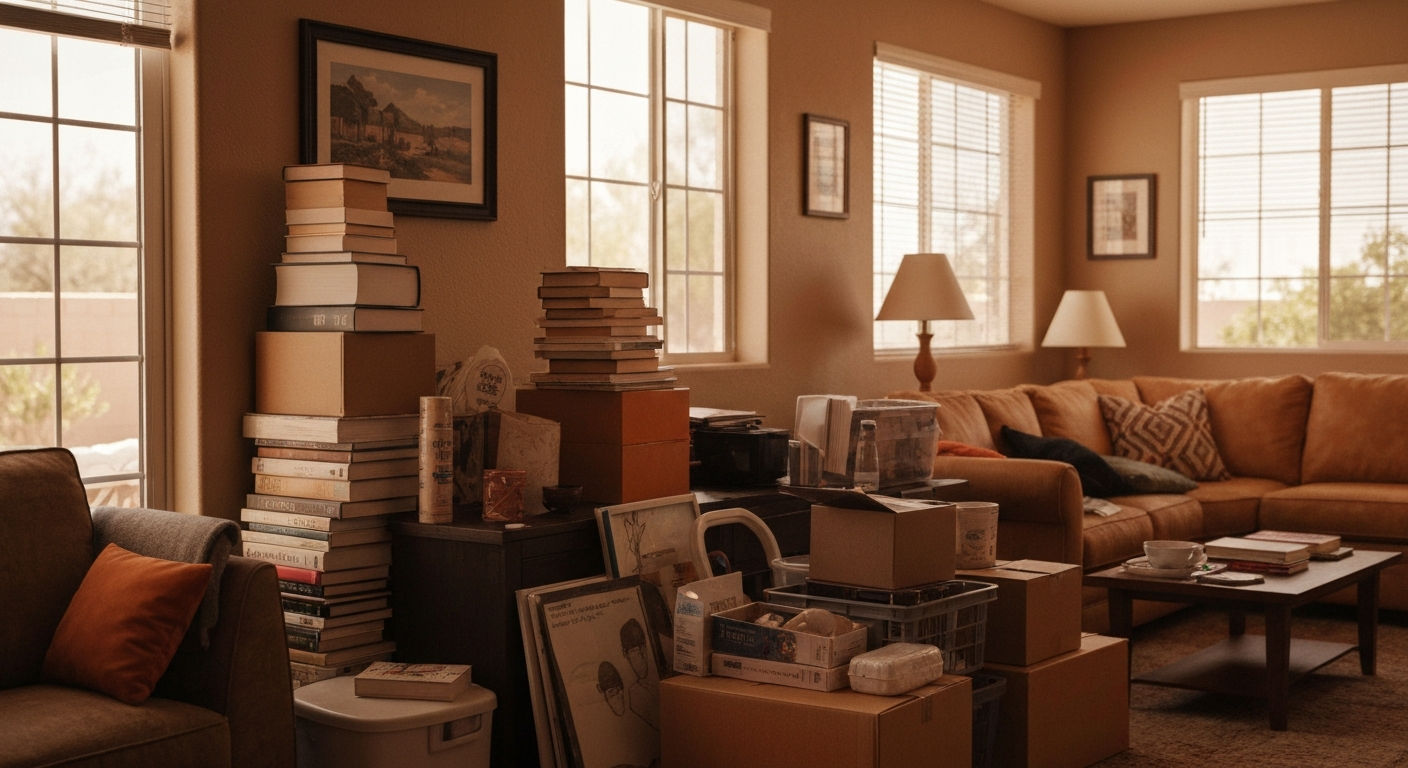
Level 3 marks a transition into a dangerous environment. The home is no longer a healthy place to live, and the risks to the occupant and the property are significant.
Characteristics of Level 3:
- Multiple rooms are unusable due to the volume of items.
- Pathways are narrowed to "goat trails" through the clutter.
- Strong, persistent odors are present throughout the home.
- Visible mold or mildew may be growing on surfaces.
- Appliances may be broken or inaccessible.
- Significant pet waste or pest infestations are likely.
At this stage, professional intervention is strongly recommended. The risk of fire, falls, and health problems from poor air quality is high.
Level 4 Hoarding (Very Severe)
Level 4 is a critical situation. The home environment is hazardous, and structural damage is often present.
Characteristics of Level 4:
- Structural damage (leaking roofs, broken windows, or buckled floors) is common.
- Essential utilities like water or electricity may be shut off due to lack of access for repairs.
- Extensive pest infestations (rodents, cockroaches, or bed bugs) are evident.
- Significant biohazard risks are present from sewage backups or animal waste.
- Fire hazards are extreme due to the volume of flammable materials.
Living in a Level 4 environment poses an immediate threat to life and health. Emergency responders may have difficulty entering the home in the event of a medical crisis.
Level 5 Hoarding (Extreme)
Level 5 is the most severe and dangerous category. The home is often considered uninhabitable by local authorities.
Characteristics of Level 5:
- The home is filled to capacity, with items reaching the ceiling in many areas.
- Human and animal waste may be present throughout the living space.
- There is no functional plumbing, electricity, or heating.
- Severe structural failure is likely.
- The risk of "avalanche" or entrapment from falling items is high.
Level 5 hoarding requires specialized biohazard cleanup in Tucson and often involves coordination with health departments and protective services.
If you suspect a loved one's home has reached Level 3 or higher, do not attempt to handle it alone. Professional restoration teams have the equipment and training to manage these risks safely. Contact us for a discreet assessment.
How Each Level Is Handled
The approach to cleanup must match the severity of the situation. A one-size-fits-all method does not work for hoarding.
Handling Level 1–2: These levels can often be managed with the help of family, friends, and professional organizers. The focus is on sorting, decluttering, and establishing new organizational habits.
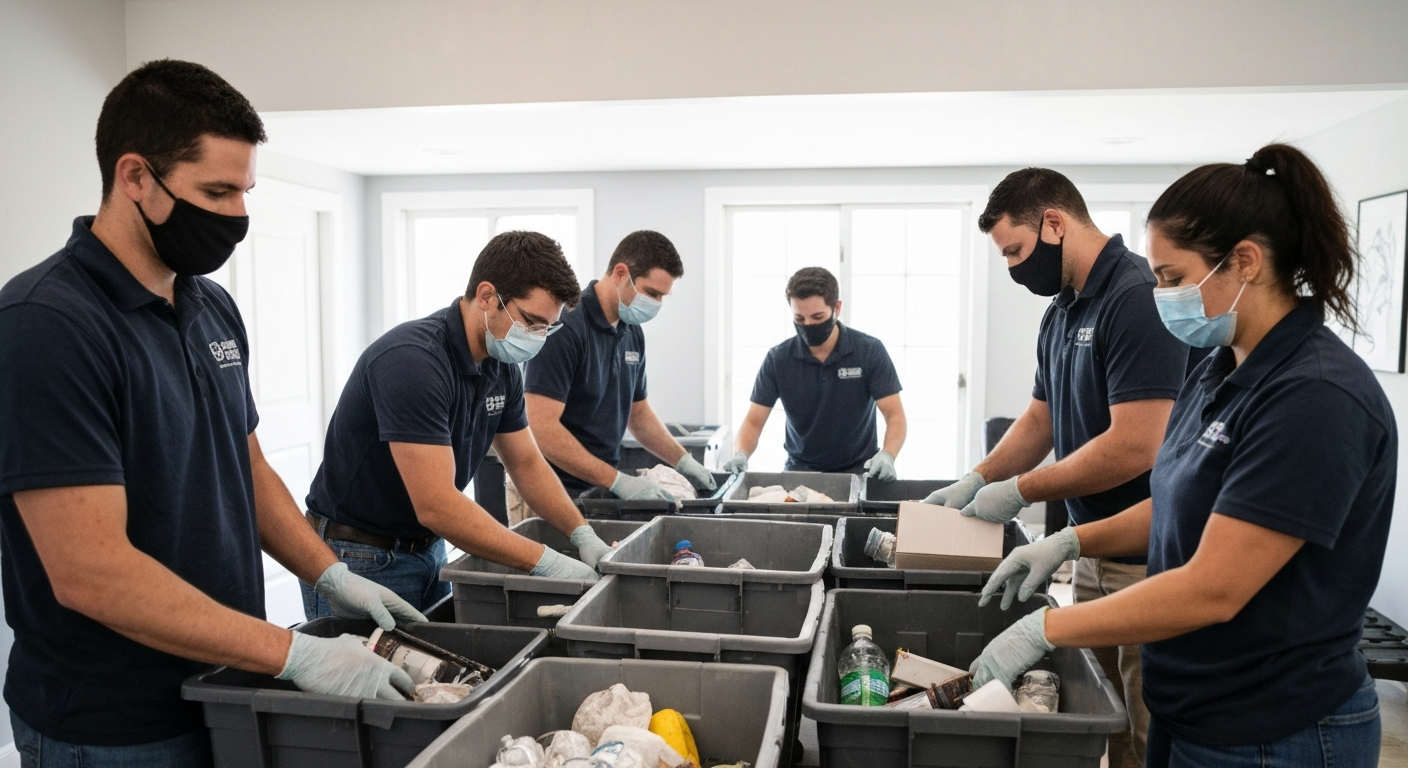
Handling Level 3–5: These levels require professional biohazard and restoration intervention. Our team uses a structured process:
- Safety First: Technicians wear full PPE (Personal Protective Equipment) to protect against pathogens, mold, and dust.
- Containment: We prevent the spread of odors and contaminants to other areas of the home or neighborhood.
- Methodical Removal: We work room by room, sorting items to find valuables and documents while safely disposing of debris.
- Deep Sanitation: Once the clutter is cleared, we use industrial-grade disinfectants to sanitize every surface.
Why Professional Hoarding Cleanup Is Necessary
Attempting a DIY cleanup in a high-level hoarding situation is dangerous for several reasons:
- Invisible Hazards: Mold spores, bacteria from animal waste, and rodent droppings (which can carry Hantavirus in Arizona) are serious health risks.
- Structural Instability: Moving large amounts of weight can cause floors to shift or items to collapse.
- Proper Disposal: Many items in a hoarded home are considered biohazardous waste and must be disposed of according to strict environmental regulations.
- Efficiency: A professional team can accomplish in days what might take an individual months, reducing the emotional strain on the family.
How the Hoarding Cleanup Process Works
At Quality Restoration, our process is designed to be as respectful and effective as possible:
How to Support Someone with Hoarding Behavior
The physical cleanup is only part of the solution. Hoarding is often tied to emotional trauma or mental health conditions.
- Communicate with Compassion: Avoid using words like "trash" or "junk." Focus on their safety and health rather than the mess.
- Avoid Judgment: Getting angry or frustrated will only cause the person to withdraw or become defensive.
- Encourage Professional Help: Suggest working with a therapist who specializes in hoarding disorder alongside the cleanup process.
- Provide Long-Term Support: Recovery is a journey. Regular check-ins and ongoing organizational help are vital to preventing a relapse.
Whether you are dealing with a Level 1 warning sign or a Level 5 crisis, help is available. Our team in Tucson is committed to restoring not just properties, but the safety and peace of mind of the families who live in them.
Need Emergency Restoration Help in Tucson?
Available 24/7 for water, fire, mold, and biohazard emergencies.
Request a Free Estimate
Our emergency response team is standing by 24/7. Call us directly or send a request and we'll respond right away.
Quality Restoration
- Available 24/7Serving Southern Arizona since 1982.
- 3401 E 44th St, Tucson, AZ 85713& all surrounding areas.