
How to Safely Handle a Hoarding Situation in Your Home
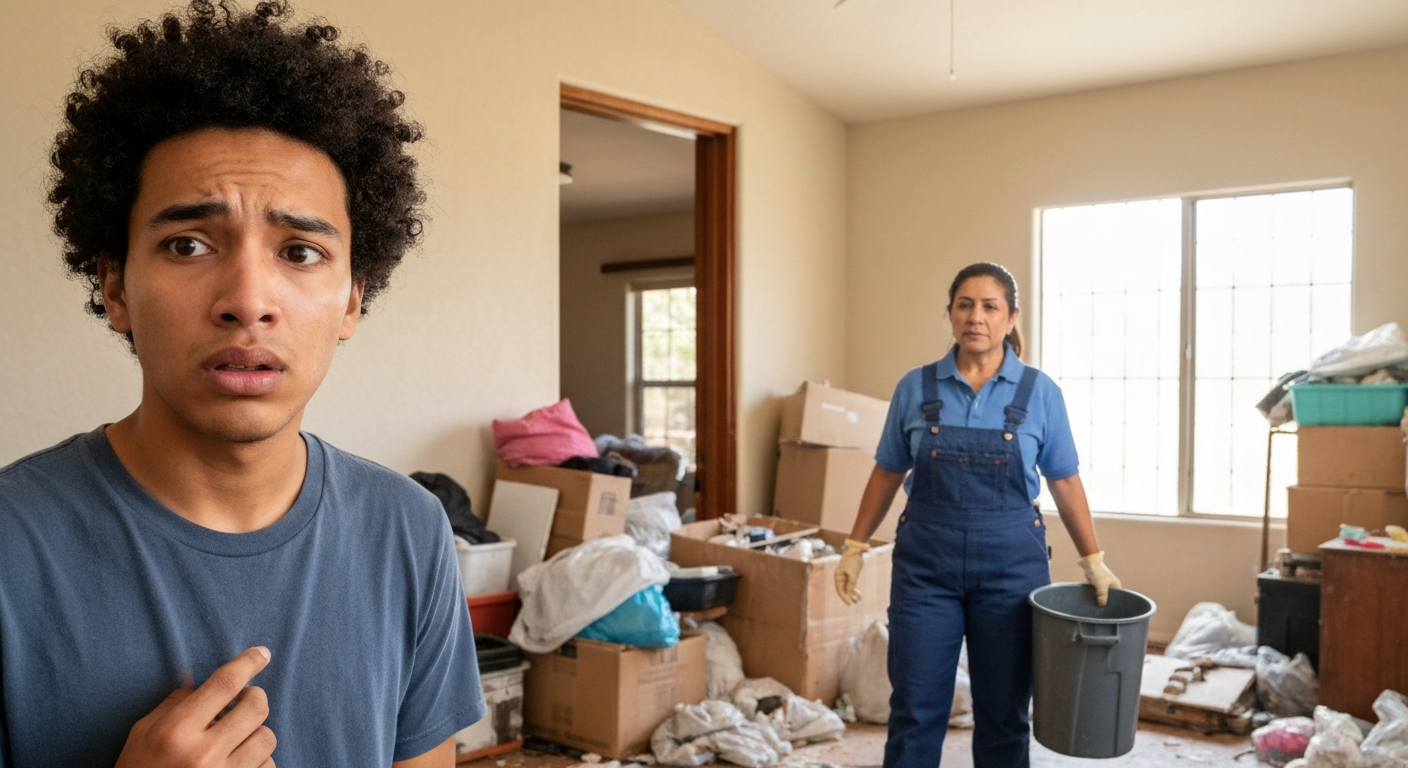
It often starts with a simple visit. A family member stops by a loved one's home in Tucson and notices increasing clutter. What begins as a feeling of mild concern can quickly turn into overwhelming worry as pathways become blocked and safety becomes a serious issue.
Hoarding is a deeply sensitive issue, and it is much more complex than simply being disorganized or untidy. For families in Southern Arizona, realizing a loved one is struggling with hoarding can be emotionally taxing. However, early action and compassionate intervention can prevent serious health and safety risks. Here is what you need to know to recognize the signs and help your loved one safely reclaim their space.
What Is Hoarding and How It Develops
Hoarding disorder is a recognized mental health condition characterized by a persistent difficulty discarding or parting with possessions, regardless of their actual value. This difficulty is usually driven by a perceived need to save the items and the distress associated with discarding them.
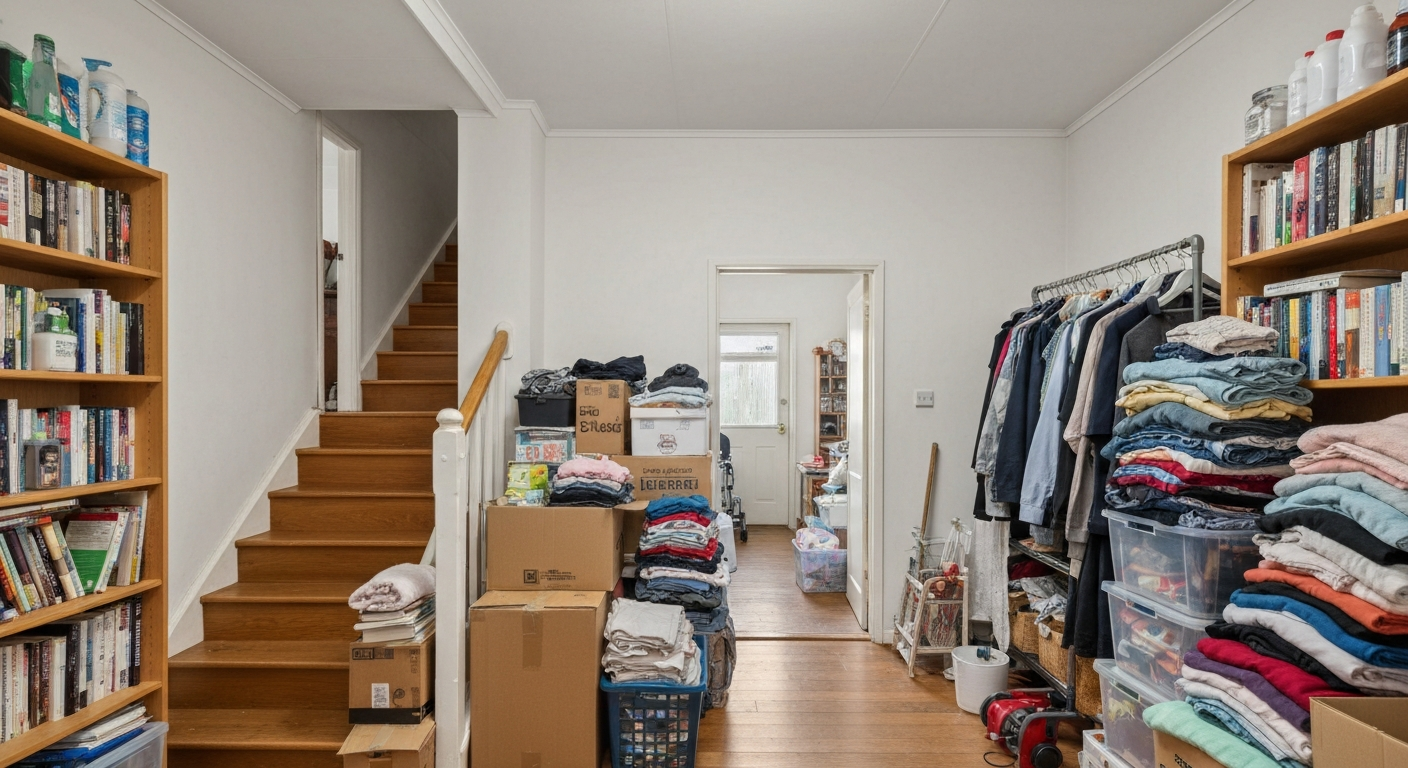
The difference between clutter and hoarding lies in the impact on daily life. Clutter might make a room messy, but hoarding makes living spaces completely unusable for their intended purposes. It often develops gradually, sometimes triggered by traumatic life events, emotional attachment, or other mental health factors like anxiety or depression. Over time, the accumulation worsens, making the home increasingly unsafe.
Common Signs of a Hoarding Situation
Recognizing the signs early can help prevent the situation from reaching a critical point. Look for these common indicators:
- Excessive accumulation of items: Keeping large amounts of mail, newspapers, clothing, or items that appear to have no value.
- Blocked pathways or exits: Navigating through the home becomes difficult due to narrow, cluttered walkways.
- Rooms becoming unusable: A kitchen where you can no longer cook, or a bed that is covered in items and cannot be slept in.
- Strong or persistent odors: Smells of decay, pet waste, or mold that indicate hidden problems beneath the clutter.
- Difficulty discarding items: Extreme emotional distress or anger when others suggest throwing things away.
Safety Risks Associated with Hoarding
The primary concern in any hoarding situation is the physical safety of the occupant. The risks are substantial and include:
- Fire hazards: Large piles of paper and clothing are highly flammable. Blocked exits also make escaping a fire nearly impossible.
- Structural strain: The sheer weight of accumulated items can cause floors to buckle and compromise the home's structural integrity.
- Mold and pest infestations: Clutter creates dark, hidden spaces that attract rodents, insects, and allow mold to grow unchecked.
- Air quality issues: Dust, dander, and mold spores become trapped in the home, leading to severe respiratory problems.
- Risk of injury: Falling debris or tripping over clutter are common causes of injury for individuals living in hoarded homes.
When a Hoarding Situation Becomes Dangerous
A hoarding situation crosses the line into dangerous territory when basic living conditions are compromised. If the home lacks running water, functional plumbing, or heating due to inaccessible systems, the health risks increase exponentially. Furthermore, if emergency responders (like paramedics or firefighters) cannot access the home or navigate the hallways, a minor emergency can quickly become a tragedy. Environmental contamination, such as biohazards from animal waste or rotting food, requires immediate professional attention.
If a hoarding situation is becoming unsafe, professional help can make the process easier and safer. Call today for assistance in Tucson and surrounding areas.
What to Do If You Suspect a Hoarding Situation
If you recognize these signs in a loved one's home in Tucson, Oro Valley, or Marana, it is crucial to handle the situation delicately:
- Approach the situation with compassion: Use a gentle, supportive tone. Acknowledge their feelings and attachments to their belongings.
- Avoid judgment or confrontation: Do not use words like "junk" or "trash." Getting angry will only cause them to become defensive.
- Focus on safety concerns: Frame the conversation around their safety and well-being rather than the mess itself.
- Encourage professional help: Suggest bringing in specialists who understand hoarding and can help without judgment.
- Start with small, manageable steps: Don't try to clean the entire house in one day. Focus on clearing a single pathway or exit first.
How Professional Hoarding Cleanup Works
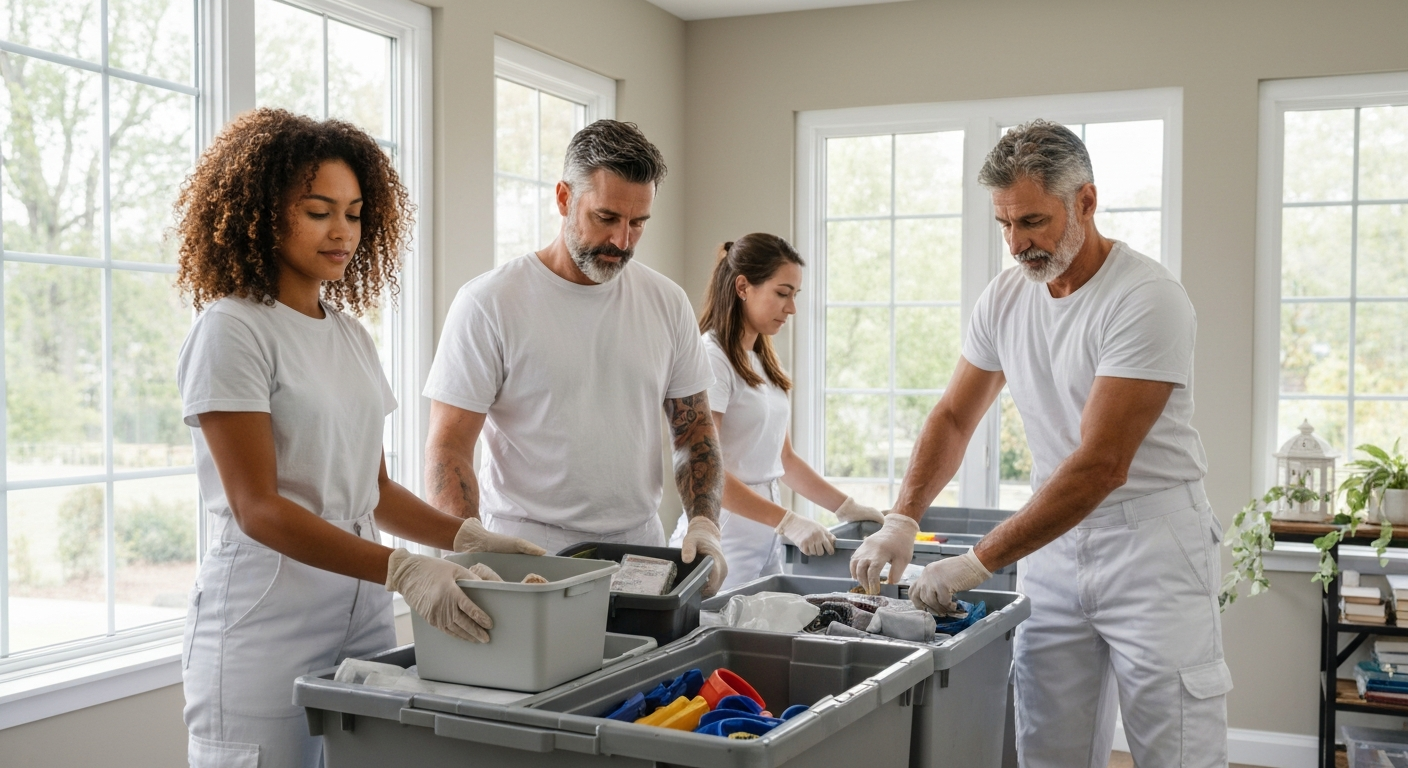
When you hire a hoarding cleanup company in Tucson, you are bringing in a team trained to handle the physical and emotional complexities of the job:
- Initial assessment: A respectful walk-through to identify safety hazards, structural issues, and biohazards.
- Planning and prioritization: Creating a customized plan that respects the homeowner's boundaries while focusing on clearing critical areas first.
- Sorting and removal: Methodically separating valuable items, important documents, and sentimental belongings from debris.
- Deep cleaning and sanitation: Thoroughly cleaning and disinfecting surfaces that have been buried for years.
- Odor removal and restoration: Using commercial-grade equipment to eliminate persistent smells and restore the home to a livable state.
How to Support a Loved One Through the Process
The cleanup process is emotionally exhausting for the individual. Provide emotional support strategies by being present, listening to their anxieties, and celebrating small victories. Practice patience and keep communication open. Avoid overwhelming them by taking breaks when needed. Long-term support, such as working with a therapist who specializes in hoarding disorder, is often necessary to address the root causes and prevent relapse.
Preventing Hoarding Conditions in the Future
Once the home is restored, maintaining it requires an ongoing effort. Help your loved one establish regular cleaning routines and simple organization systems. Ongoing support from family, friends, or professional organizers in Southern Arizona is vital. Regular check-ins can help ensure that the home remains a safe, comfortable, and healthy environment for years to come.
Need Emergency Restoration Help in Tucson?
Available 24/7 for water, fire, mold, and biohazard emergencies.
Request a Free Estimate
Our emergency response team is standing by 24/7. Call us directly or send a request and we'll respond right away.
Quality Restoration
- Available 24/7Serving Southern Arizona since 1982.
- 3401 E 44th St, Tucson, AZ 85713& all surrounding areas.