

How Much Does Water Damage Repair Cost in Tucson?
It’s 2:00 AM, and you step out of bed only to feel a cold, squishy sensation beneath your feet. Your heart sinks. Whether it’s a burst pipe, a slab leak common in many Tucson homes, or the aftermath of a sudden monsoon storm, the first question every homeowner asks is: "How much is this going to cost me?"
Water damage is one of the most stressful experiences a property owner can face. Beyond the immediate mess, there’s the uncertainty of the repair bill. In Southern Arizona, where the heat can turn a small leak into a mold nightmare in less than 48 hours, understanding the financial landscape of restoration is critical.
The truth is, water damage repair cost in Tucson varies widely. It can range from a few hundred dollars for a minor localized leak to tens of thousands for major structural flooding. In this guide, we’ll break down the average costs, the factors that drive those numbers up or down, and how you can protect your wallet while ensuring your home is safe.
Average Cost of Water Damage Repair in Tucson
While every situation is unique, we can look at industry averages for the Tucson area to give you a baseline. These estimates typically include water extraction, drying, and minor repairs.
Minor Damage
$500 – $1,500
Small leaks in a bathroom or laundry room affecting a limited area of flooring or drywall.
Moderate Damage
$2,500 – $7,500
A multi-room event, such as a burst pipe that floods a hallway and two adjacent bedrooms.
Severe Damage
$10,000 – $30,000+
Major structural flooding from a roof failure or sewage backup requiring extensive reconstruction.
It’s important to remember that these are just for the restoration and repair. If the damage was left sitting, mold remediation can easily add another $1,000 to $5,000 to the total bill. This is why rapid response is the single most important factor in controlling costs.
Factors That Affect Water Damage Repair Cost
Why does one flood cost $2,000 while another costs $10,000? Several key variables determine the final price tag:
- Size of the Affected Area: Naturally, drying out a 100-square-foot laundry room is cheaper than drying out a 2,500-square-foot open-concept living area.
- Type of Water (The "Category"): Industry standards categorize water into three types: Clean (Category 1), Gray (Category 2), and Black (Category 3). Cleaning up a burst fresh-water pipe is significantly less expensive than cleaning up a sewage backup or contaminated monsoon floodwater.
- Damaged Materials: Drying out a concrete slab is different from drying out hardwood floors or plush carpeting with thick padding. Some materials can be saved, while others must be replaced.
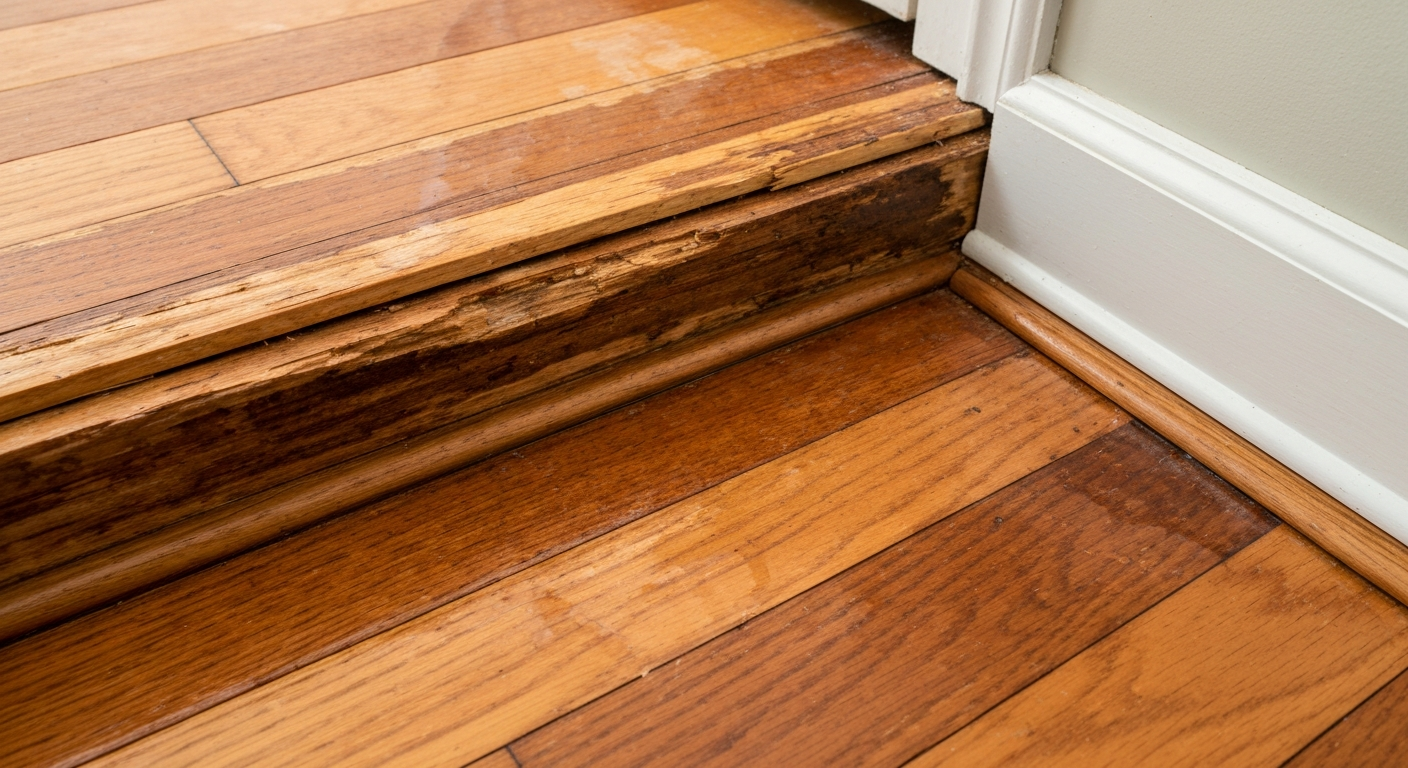
Moderate water damage often requires removing baseboards and using specialized drying equipment to save the wall structure.
Tucson-Specific Challenges: Polybutylene and Slab Leaks
Tucson homeowners face some unique plumbing challenges that directly impact repair costs. Many homes built between the late 1970s and mid-1990s in neighborhoods like Oro Valley and the were constructed with polybutylene piping. These gray plastic pipes are notorious for sudden, catastrophic failure.
When a polybutylene pipe bursts behind a wall, the volume of water released can be massive. If you have these pipes, a single failure can lead to a restoration bill exceeding $15,000. Furthermore, many Tucson homes are built on concrete slabs. A slab leak—where a pipe breaks beneath the floor—requires not only water restoration but also jackhammering through the floor to reach the pipe. This dual-layered repair process can significantly drive up the total project cost.
Emergency vs. Non-Emergency Response Costs
Most restoration companies in Southern Arizona, including Quality Restoration, offer 24/7 emergency services. While an emergency dispatch might carry a higher initial service fee (typically ranging from $200 to $400 for the after-hours call-out), it almost always saves you money in the long run.
Waiting until Monday morning to address a Friday night flood allows water to seep deeper into the subfloor and wick up the drywall. What could have been a $2,000 drying job on Friday night can easily become a $7,000 demolition and mold remediation job by Monday. In the world of water damage, "saving" on the emergency fee is often the most expensive mistake a homeowner can make.
{/* Mid-Article CTA */}Need an Accurate Cost Estimate?
If you’re dealing with water damage in Tucson, Oro Valley, or Marana, getting a professional assessment can help you understand the true cost before it escalates.
Call for an InspectionCost Differences Based on Damage Type
Not all water damage is created equal. In Tucson, we see everything from pinhole leaks in copper pipes to massive flooding from monsoon storms.
Clean Water vs. Contaminated Water
If your water heater leaks, the water is generally "clean." It doesn't pose an immediate health risk, and many materials can be dried in place. However, if that water sits for more than 48 hours, it can transition to "gray" or "black" water as bacteria grows.
Black water (Category 3), which includes sewage or outdoor floodwater, requires specialized PPE, extensive demolition of porous materials, and rigorous disinfection. This can increase the cost by 50% to 100% compared to a clean water event.
Structural vs. Surface Repairs
Surface-level damage, like a stained ceiling from a small roof leak, is relatively cheap to fix. However, if the water has seeped into the subfloor or behind the drywall, structural repairs become necessary. This involves industrial-grade dehumidifiers and air movers, which are billed based on the number of units and days they are on-site.
How Mold Impacts Repair Costs
In the desert heat of Tucson, mold is a race against time. If you don't start the drying process immediately, mold spores can begin to colonize within 24 to 48 hours.
Once mold is present, the project is no longer just "water damage restoration"—it becomes mold remediation. This requires:
- Setting up containment (plastic barriers) to prevent spore spread.
- Using HEPA air scrubbers.
- Specialized cleaning agents and labor-intensive scrubbing.
- Post-remediation air quality testing.
For homeowners in Sahuarita or Vail, where homes might be slightly more isolated, waiting even one extra day for a technician can result in thousands of dollars in added mold-related expenses.
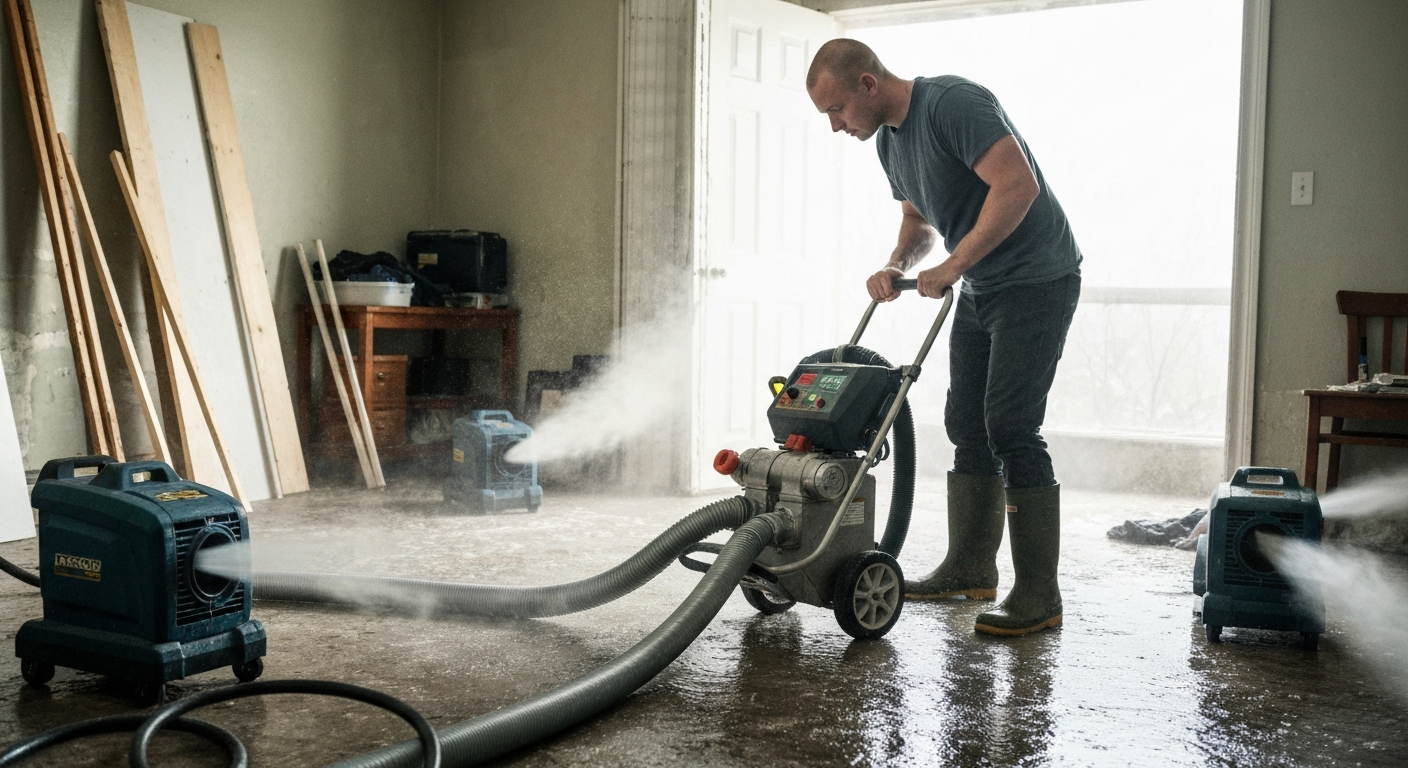
Active water extraction is the first step in preventing secondary damage and mold growth.
Does Insurance Cover Water Damage?
This is the most common follow-up question. The answer depends on the source of the water.
Most standard homeowners insurance policies cover sudden and accidental water damage. This includes burst pipes, appliance failures, or a sudden roof leak. However, they typically do not cover:
- Gradual Damage: A slow leak that has been occurring for months.
- Maintenance Issues: A roof that was already in poor condition and finally failed.
- Rising Ground Water: This requires a separate Flood Insurance policy, which many Tucson residents living near washes or low-lying areas should consider.
When you work with a professional Water Damage Restoration Tucson company, they can help document the damage with photos and moisture readings, which is essential for a successful insurance claim.
How to Reduce Water Damage Repair Costs
While you can't control the leak, you can control the response. Here is how to keep your costs as low as possible:
- Act Quickly: The longer water sits, the more it spreads and the higher the risk of mold. Minutes matter.
- Shut Off the Source: If it's a pipe leak, turn off the main water valve immediately to stop the flow.
- Call Professionals Immediately: Don't try to dry it out with household fans. They aren't powerful enough to remove moisture from deep within walls.
- Schedule Regular Inspections: Catching a slow leak early via a professional inspection can save you thousands in the long run.
DIY vs. Professional Restoration: The Real Cost
It can be tempting to rent a couple of carpet cleaners or shop vacs and try to handle the cleanup yourself. However, the "DIY savings" are often an illusion. Professional restoration companies use:
- Industrial Dehumidifiers: These pull gallons of moisture from the air, preventing it from soaking into wooden studs.
- High-Velocity Air Movers: Specifically designed to push air into wall cavities and under flooring.
- Moisture Meters: Sensors that tell us exactly when a material is "dry" to the core, not just the surface.
If you miss even 5% of the moisture, mold will grow. The cost of fixing a failed DIY drying attempt—which usually involves tearing out moldy walls that could have been saved—is almost always double the cost of the initial professional drying.
Why Professional Inspection is Important
Water is sneaky. It can travel down the back of a wall, under a cabinet, or into the subfloor without showing any surface-level signs. A homeowner might think the area is dry because the carpet feels okay, but the padding underneath could be a breeding ground for bacteria.
A professional inspection using thermal imaging and moisture meters provides:
- Hidden Damage Detection: Finding water where you can't see it.
- Accurate Cost Estimates: Knowing exactly what needs to be done so there are no surprises.
- Prevention: Identifying the root cause to ensure it doesn't happen again.
If you suspect you have an issue, don't wait for the smell to start. At that point, you're likely looking at Mold Remediation Tucson services, which are always more expensive than simple drying.
Serving the Greater Tucson Area
From the historic homes in downtown Tucson to the newer developments in Oro Valley and Marana, we understand the unique plumbing and construction challenges of Southern Arizona. Whether you are in Sahuarita or Vail, our 24/7 emergency teams are ready to respond.
Don't let water damage drain your bank account. By acting fast and hiring the right professionals, you can restore your home and your peace of mind efficiently and affordably.
Need Emergency Restoration Help in Tucson?
Available 24/7 for water, fire, mold, and biohazard emergencies.
Request a Free Estimate
Our emergency response team is standing by 24/7. Call us directly or send a request and we'll respond right away.
Quality Restoration
- Available 24/7Serving Southern Arizona since 1982.
- 3401 E 44th St, Tucson, AZ 85713& all surrounding areas.