
What Causes Flooding in Tucson Homes?
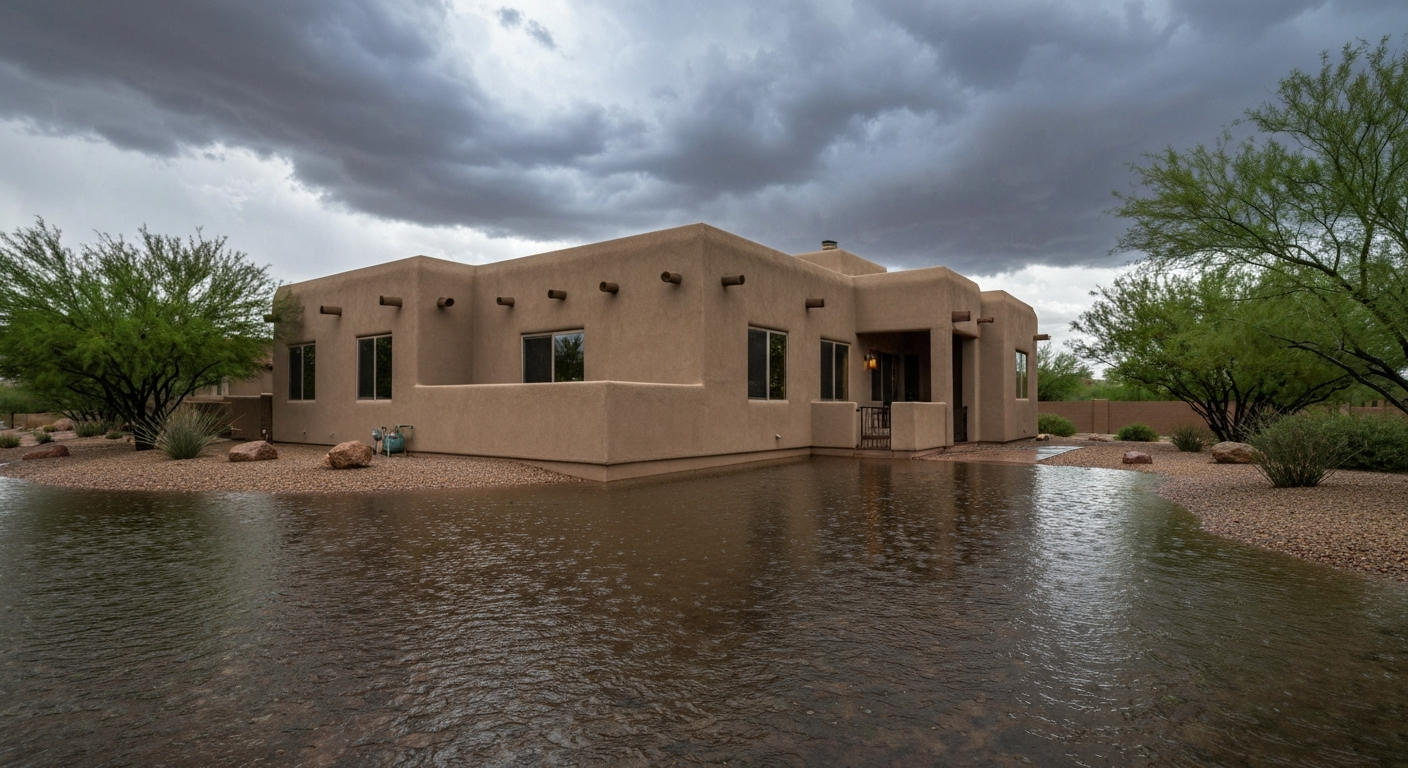
A Tucson homeowner watches anxiously as dark monsoon clouds roll in. Within minutes, a torrential downpour begins, and before long, water is pooling dangerously close to the front door—eventually seeping inside. It's a sudden, stressful experience, leaving many wondering: Why did this happen so fast?
Flooding in Tucson can occur with surprising speed. Between our intense summer monsoon season and the unique characteristics of the Sonoran Desert environment, flash flood risks are a reality for many homeowners. However, many causes of residential flooding are preventable. Understanding the unique risks in Southern Arizona is the first step in protecting your property.
Why Flooding is Common in Tucson
Tucson's geography and climate create a perfect storm for localized flooding. The primary factors include:
- Monsoon Storms: Heavy, concentrated rainfall that dumps large amounts of water in a short time.
- Hard Desert Soil: Caliche and sun-baked earth do not absorb water quickly, causing massive runoff.
- Flash Flood Conditions: Dry washes can turn into raging rivers in minutes.
- Urban Drainage Limitations: Older neighborhoods and overwhelmed city streets often funnel water toward residential properties.
Monsoon Storms and Flash Flooding
The most dramatic cause of flooding in Tucson is the summer monsoon. These storms are characterized by intense rainfall over very short periods. Because the ground cannot absorb the water fast enough, it pools on the surface. This rapid accumulation quickly overwhelms local drainage systems, leading to water pooling around homes and rapid intrusion under doors or through low-lying windows.
Poor Drainage Around the Home
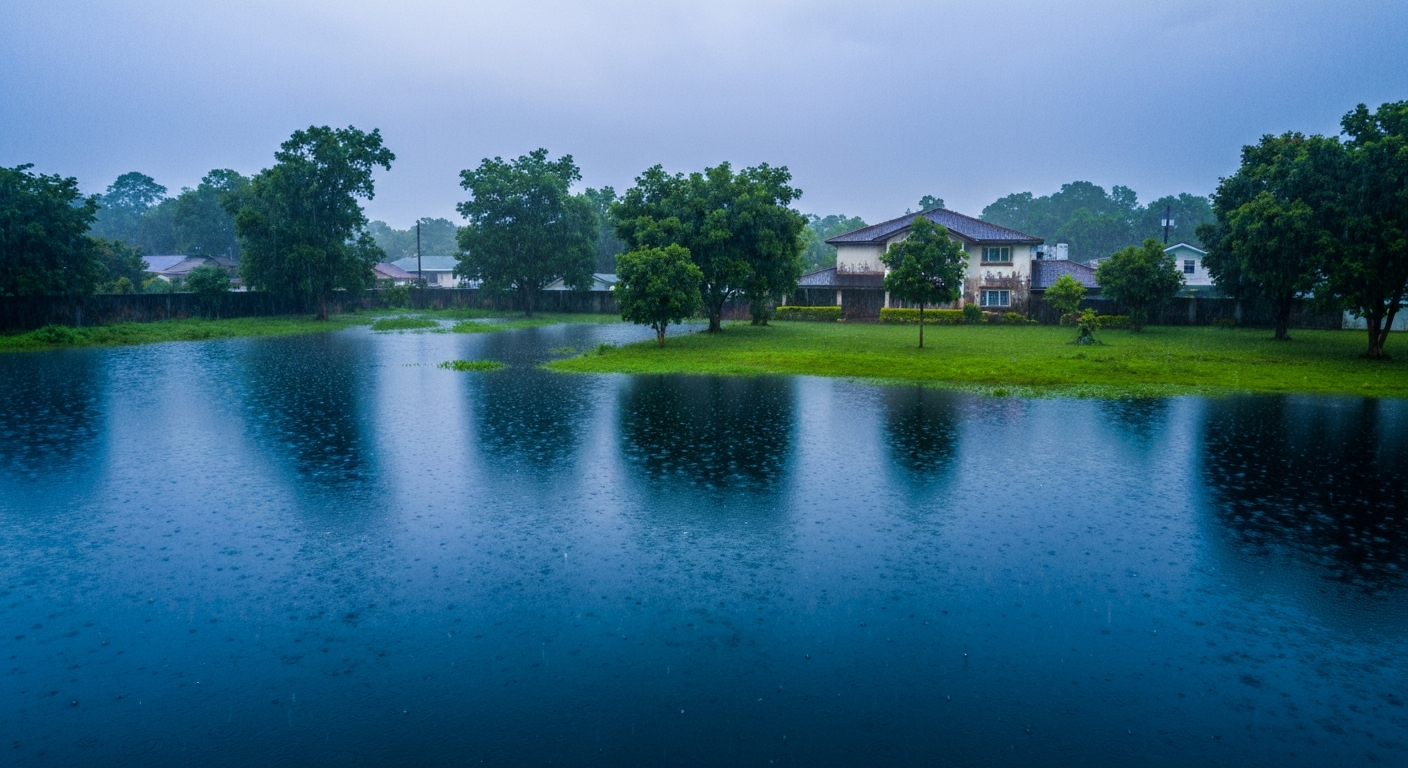
Even a moderate rainstorm can cause flooding if your property's drainage is compromised. Common issues include:
- Improper Grading: If the ground slopes toward your house instead of away from it, water will naturally pool against your foundation.
- Blocked Drains: Yard drains and scuppers clogged with desert debris (leaves, dirt, palo verde blossoms) prevent runoff from escaping.
- Lack of Proper Runoff Paths: Without designated channels or swales, water has nowhere to go but toward your home.
Roof and Gutter Failures
Flat roofs are a staple of Tucson architecture, but they come with specific vulnerabilities. If the scuppers (drainage holes) become clogged, water pools on the roof. This immense weight and standing water can quickly find its way through aging sealant or deteriorated roofing materials, leading to severe interior water damage. Similarly, clogged or ineffective gutters can send sheets of water directly down to your foundation.
Foundation and Structural Issues
Over time, the extreme heat and temperature fluctuations in Southern Arizona can cause wear and tear on your home's exterior.
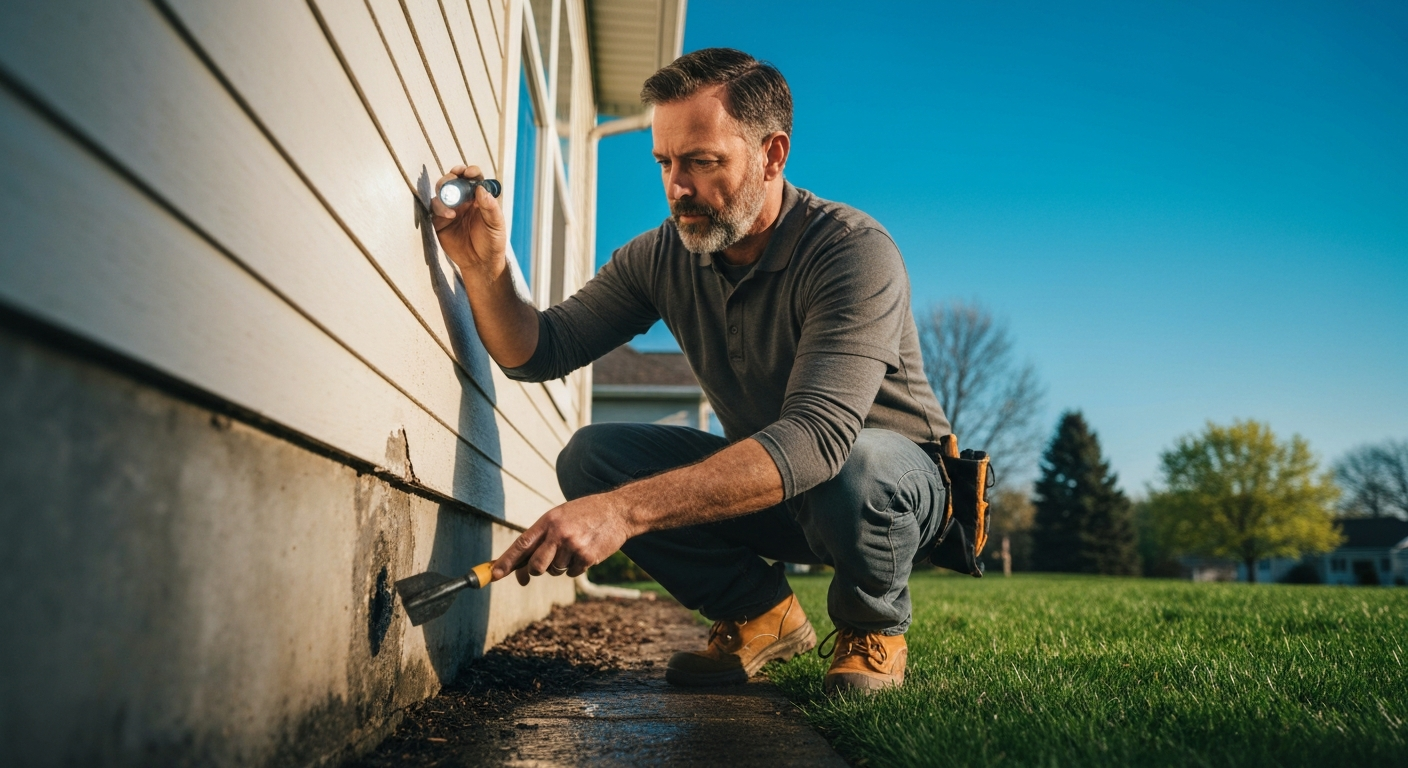
- Cracks in Stucco or Concrete: Small fissures provide an easy entry point for pooling water.
- Low-Lying Areas: Homes built below street level or near washes are at a naturally higher risk.
- Improper Sealing: Poorly sealed doors and low-set windows can allow rising water to breach the interior.
Plumbing Failures That Lead to Flooding
Not all flooding comes from the sky. Internal plumbing failures are a major cause of Water Damage Restoration calls in Tucson:
- Burst Pipes: Often caused by aging plumbing or sudden pressure changes.
- Slab Leaks: Water lines running beneath the concrete foundation can degrade, causing water to seep up through the flooring.
- Appliance Failures: Ruptured washing machine hoses or failing water heaters can flood a home in minutes.
If your home has experienced flooding, fast action is critical.
Call now for professional cleanup and restoration.
Get Emergency Help NowHow to Prevent Flooding in Your Home
Taking proactive steps can save you from devastating flood damage:
- Improve drainage around your home: Ensure soil slopes away from the foundation and keep yard drains clear.
- Maintain roof and gutters: Clean scuppers and gutters regularly, especially before monsoon season.
- Inspect plumbing systems: Check hoses on appliances and monitor your water bill for signs of hidden leaks.
- Seal foundation cracks: Repair exterior stucco and concrete to prevent water intrusion.
- Prepare before monsoon season: Have sandbags ready if you live in a high-risk area in Oro Valley, Marana, Sahuarita, or Vail.
What to Do If Your Home Floods
If the worst happens and water enters your home, prioritize safety.
- Ensure safety first: Turn off electricity to affected areas if it is safe to do so.
- Avoid contaminated water: Floodwater from outside is considered "black water" and can carry dangerous bacteria and debris.
- Remove standing water if possible: Only attempt this if the water is clean and you can do so safely.
- Call a professional restoration company: Professional Flood Damage Restoration in Tucson is required to properly extract water, dry the structure, and prevent mold.
Need Emergency Restoration Help in Tucson?
Available 24/7 for water, fire, mold, and biohazard emergencies.
Request a Free Estimate
Our emergency response team is standing by 24/7. Call us directly or send a request and we'll respond right away.
Quality Restoration
- Available 24/7Serving Southern Arizona since 1982.
- 3401 E 44th St, Tucson, AZ 85713& all surrounding areas.