
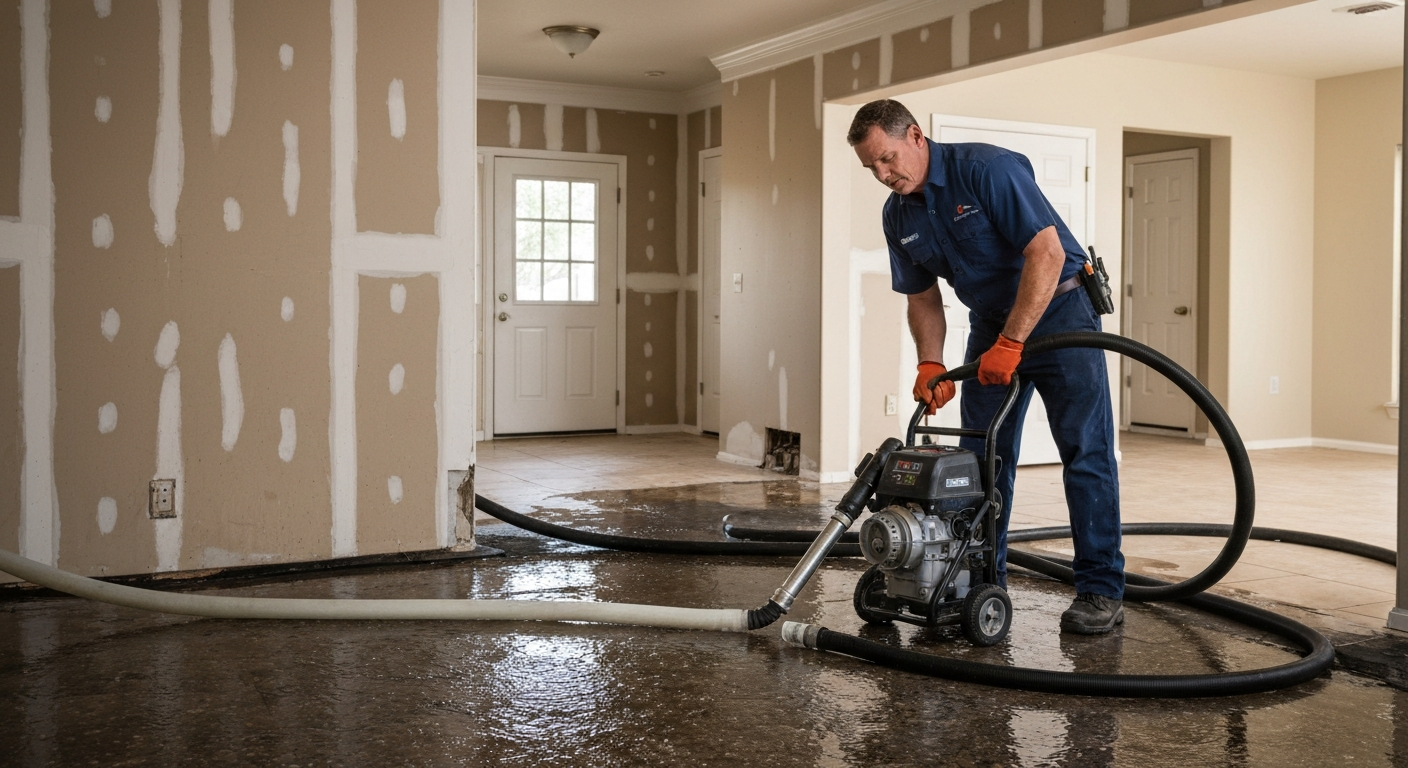
What to Do Immediately After Water Damage
A homeowner discovers water spreading rapidly across their floor from a burst pipe or a sudden appliance failure. In an instant, a normal day turns into a stressful emergency. For Tucson homes, where slab leaks, aging plumbing issues, and appliance malfunctions are common, knowing exactly what to do when water damage strikes is critical. Fast action is the only way to prevent further damage and save your property.
Common Causes of Water Damage in Tucson Homes
Water damage can originate from a variety of sources. In Southern Arizona, we frequently see specific issues that lead to indoor flooding:
- Slab Leaks: Expansive desert soils can shift, putting pressure on plumbing lines under your concrete foundation.
- Burst Pipes: Aging plumbing systems or sudden pressure changes can cause pipes to rupture inside walls or ceilings.
- Appliance Failures: Water heaters, dishwashers, and washing machine hoses frequently fail, releasing hundreds of gallons of water.
- Roof Leaks During Monsoon Storms: Heavy, sudden rainfall can overwhelm drainage systems and penetrate compromised roofing materials.
Why Immediate Action is Critical
Water is incredibly invasive. It spreads quickly across floors, wicks up into drywall, and seeps under baseboards. Structural damage begins almost immediately as wood swells and drywall softens. Furthermore, in the right conditions, mold can start forming within 24 to 48 hours of the initial water exposure. Delays in addressing the water not only increase the severity of the damage but also significantly increase repair costs.
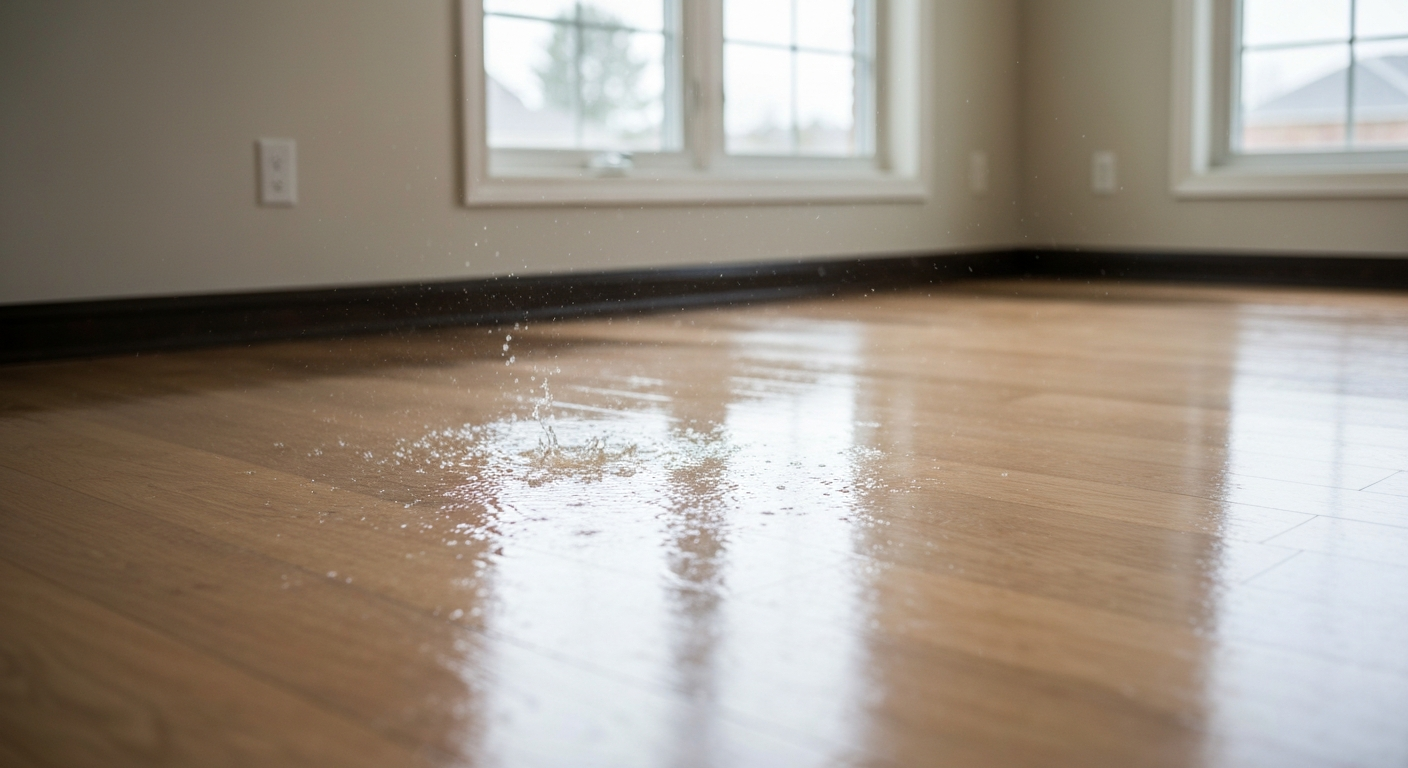
What to Do Immediately After Water Damage
If you discover water damage in your home, follow these critical steps to ensure your safety and minimize property loss:
- Shut off the water source if possible: Locate your main water shut-off valve to stop the flow immediately.
- Turn off electricity if safe: Avoid electrical shock by turning off the power to the affected areas at the breaker box, but only if you can do so without standing in water.
- Remove valuables and furniture: Move light furniture, rugs, and personal items to a dry area to prevent permanent staining and damage.
- Avoid walking on wet surfaces: Minimize traffic on wet carpets or flooring to prevent further grinding of dirt and potential structural weakening.
- Call a professional restoration company: Contact experts who have the equipment to extract water and dry the structure thoroughly.
Mid-Article Tip
If you’re dealing with water damage, acting fast can save your home from serious damage. Call now for immediate help.
Call (520) 322-5326What NOT to Do After Water Damage
Just as important as knowing what to do is knowing what to avoid:
- Do not ignore standing water: It will not simply evaporate without causing damage.
- Do not use household vacuums: Standard vacuums are not designed for water extraction and pose a severe electrical shock hazard.
- Do not delay cleanup: Waiting even a few hours allows water to penetrate deeper into building materials.
- Do not assume surfaces are dry: Just because a floor feels dry to the touch doesn't mean the subfloor or wall cavities are free of moisture.
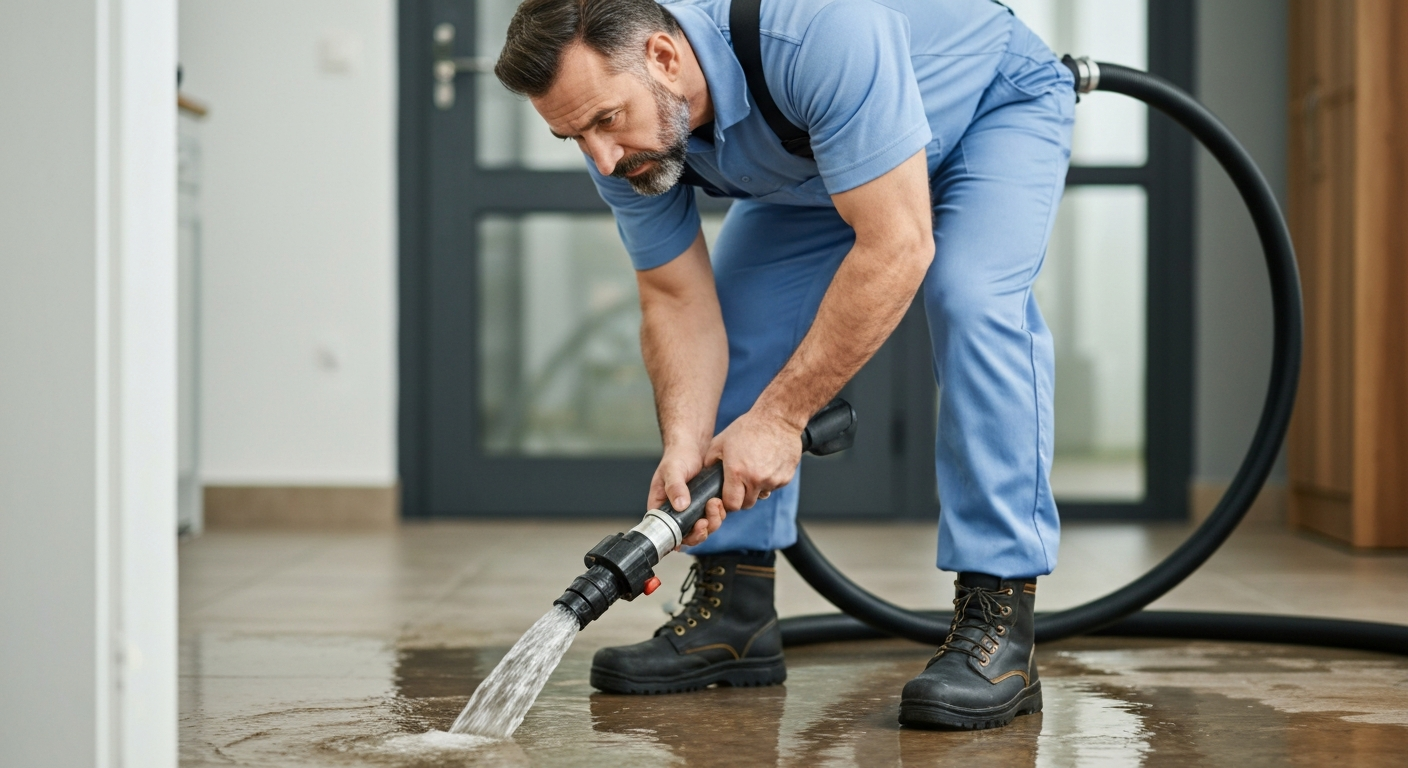
The Professional Water Damage Restoration Process
When you hire a professional restoration team, you can expect a systematic approach to saving your property:
- Inspection and moisture detection: Technicians use thermal imaging and moisture meters to locate all hidden water.
- Water extraction: Powerful truck-mounted pumps remove standing water quickly.
- Structural drying and dehumidification: Industrial air movers and dehumidifiers evaporate remaining moisture from walls and floors.
- Cleaning and sanitizing: Affected areas are treated to prevent mold growth and eliminate odors.
- Repairs and restoration: The final step involves repairing drywall, replacing flooring, and returning the home to its pre-loss condition.
How to Prevent Future Water Damage
While accidents happen, you can take steps to protect your home in Oro Valley, Marana, Sahuarita, and throughout Southern Arizona:
- Routine plumbing inspections: Have a plumber check your system annually for aging pipes or weak connections.
- Appliance maintenance: Regularly inspect washing machine hoses, refrigerator lines, and water heaters for signs of wear or leaks.
- Monitoring for slab leaks: Watch for unexpected spikes in your water bill or warm spots on your floor.
- Roof inspections before monsoon season: Ensure your roof is in good condition and gutters are clear before the summer storms hit.
Need Emergency Restoration Help in Tucson?
Available 24/7 for water, fire, mold, and biohazard emergencies.
Request a Free Estimate
Our emergency response team is standing by 24/7. Call us directly or send a request and we'll respond right away.
Quality Restoration
- Available 24/7Serving Southern Arizona since 1982.
- 3401 E 44th St, Tucson, AZ 85713& all surrounding areas.